
Navigating In-Law Dynamics as a Motherless Daughter
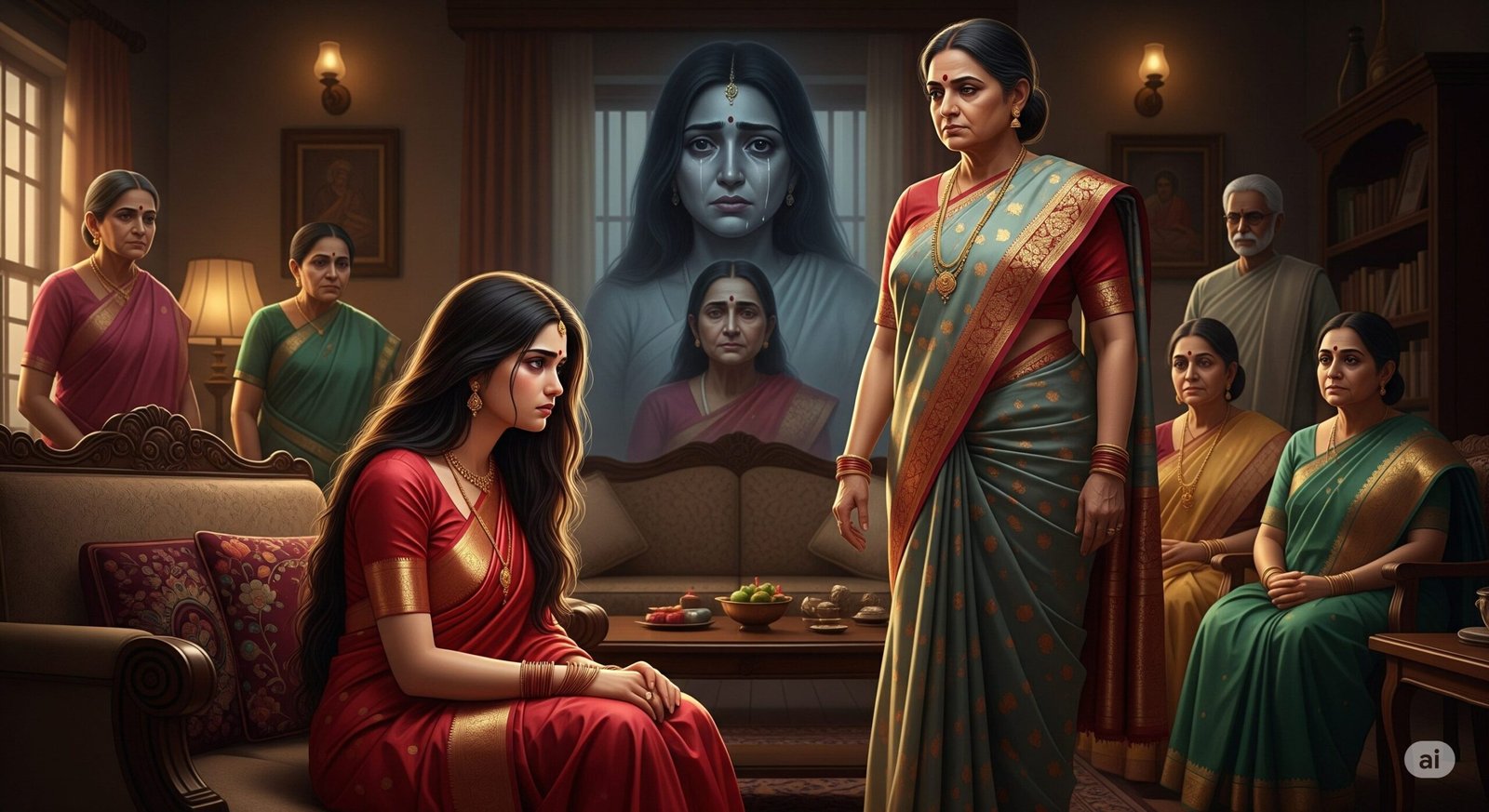
Upon marriage, an Indian woman traditionally moves into her husband’s home, where she must begin the difficult process of navigating in-law dynamics. The mother-daughter relationship provides a crucial anchor and support system during this transition. A woman can turn to her mother for advice on managing these new relationships, for emotional validation when conflicts arise, and for a safe haven. A motherless woman enters this new family structure without this anchor. She is adrift and alone. This lack of a maternal support system makes her extremely vulnerable, especially given the profound loss of the maayka (her maternal home) and the risk of further family betrayal.
A Ship Without an Anchor
No Maternal Support
A motherless bride lacks her key source of advice, comfort, and advocacy when dealing with in-law conflicts.
Increased Vulnerability
Her isolation makes her an easy target for mistreatment, as she has no one to defend her or intervene on her behalf.
Stigma of Childlessness
If she struggles to have children, especially a son, she faces immense pressure and blame without her mother’s defense.
The Loss of the Maayka and a Daughter’s Advocate
The loss of the maayka is a profound and often overlooked consequence of a mother’s death. The maayka represents more than just a physical place; it is a source of unconditional love and a safe space away from the pressures of the marital home. Without her mother, a daughter’s connection to this vital support system often weakens or breaks completely. The paternal family may even discourage contact with maternal relatives. This leaves the new bride isolated. In cases of marital conflict or abuse from in-laws, she has no one to turn to for immediate support. While a father or brother may be supportive, the mother-daughter bond is unique. Without it, a daughter may feel forced to endure mistreatment in silence, fearing that her complaints will only make things worse.
The power dynamic within the marital home is heavily skewed against her.
Navigating In-Law Dynamics and the Pressure to Conform
The challenge of navigating in-law dynamics is especially intense for a motherless daughter. The power structure in a traditional Indian home is heavily skewed against the new daughter-in-law. The mother-in-law often has significant authority, and conflicts between them are a common source of stress. A motherless daughter-in-law lacks a powerful ally who can intervene for her or offer advice on how to handle these situations. Furthermore, the inability to have a child, especially a son, can lead to immense pressure and blame. In such a crisis, a woman’s own mother would be her strongest defender. The motherless woman faces this profound crisis alone, often internalizing the blame and suffering from anxiety and depression as a result of this family betrayal.
63% of Maternal Deaths
In India’s poorer states, where patriarchal norms are most entrenched, 63% of maternal deaths occur, creating a high-risk environment where daughters are expected to emulate their mothers without any guidance.
The Unspoken Expectation to Emulate a Ghost
A motherless daughter is often expected to live up to the memory of a woman she may not even remember. She is expected to emulate her mother’s behavior, cooking, and way of running the household, adding another layer of pressure to an already difficult situation. As one anonymous woman shared, “I was expected to be her.” This creates an impossible standard to live up to and can be a source of constant criticism from her in-laws. She is trapped in a role where she can never truly succeed because she is being compared to a memory. This silent expectation is a form of emotional abuse that further undermines her self-worth.
I was expected to be her.
Creating a New Anchor of Support
To help a motherless woman navigate these difficult family dynamics, it is crucial to create new anchors of support. Mentorship programs that pair young brides with older, experienced women can provide the guidance and validation that is missing. Community-based support groups for young married women can also offer a safe space to share experiences and find solidarity. Legal aid services must be made more accessible so that women who face abuse or dowry harassment have a place to turn. By building these external support systems, we can help ensure that a motherless woman is not left to face the challenges of her new life completely alone.
27%
of girls
In India, 27% of girls are married before the age of 18. For a motherless daughter, the lack of an advocate makes her even more vulnerable to the pressures of early marriage.
Navigating in-law dynamics is a challenge for any new bride, but for a motherless daughter, it is a journey fraught with peril. The loss of her maternal anchor leaves her isolated and vulnerable in a new family structure where she often holds the least power. By recognizing this unique vulnerability and creating systems of support, we can help empower her to build a life of dignity and respect.