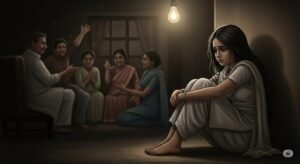
Internalizing Worthlessness: The Neglect of Motherless Girls
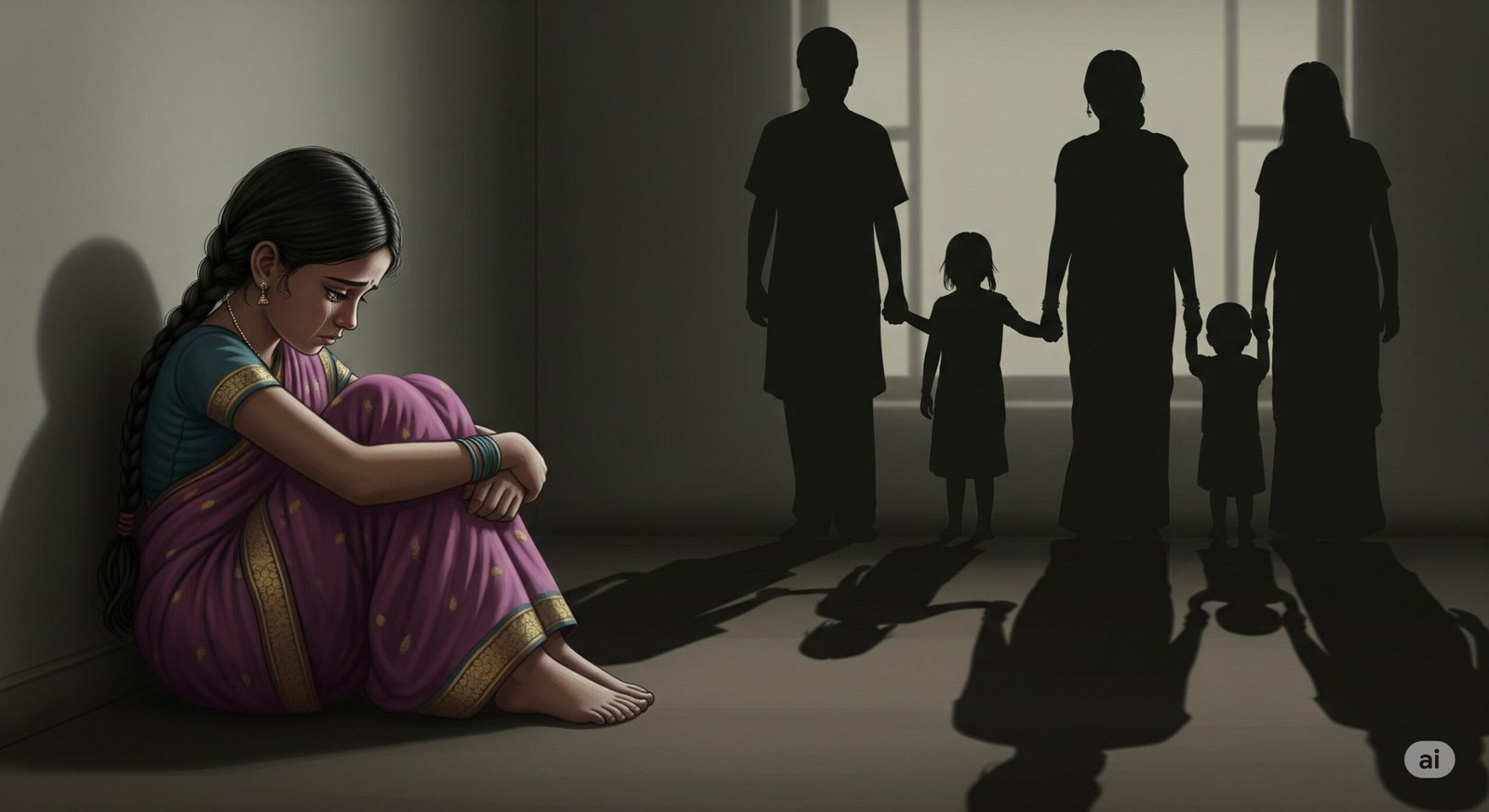
After the initial trauma of a mother’s death, many girls in India face a second, quieter injury: a constant state of neglect. This neglect is not always intentional but comes from a system that devalues the girl child. With the mother gone, the girl’s needs often become the family’s last priority. She might be sent to relatives who see her as a burden, or stay with a father who is emotionally unavailable. This experience of being unseen, especially when compared to the attention given to her brothers, teaches her a daily lesson in her own lack of value. This leads to a devastating psychological process of internalizing worthlessness, a wound that shapes her entire view of herself.
The Weight of Being Unseen
Chronic Neglect
After a mother’s death, a girl’s needs are often ignored, leading to a constant state of emotional neglect.
Internalizing Worthlessness
The girl begins to believe the message that she is unimportant, leading to a deep sense of unworthiness.
Distorted Self-Perception
This leads to a distorted view of herself, low self-esteem, and a higher risk for depression and other mental health issues.
Chronic Emotional Abuse: The Message of Neglect
This ongoing neglect acts as a form of chronic emotional abuse. It sends a powerful and damaging message: “You are not important, your needs do not matter, you are a liability.” Over time, the motherless girl starts to believe this message. The process of internalizing worthlessness begins, and her identity becomes tangled with the feeling of being unwanted. Personal stories powerfully show this. Women describe being raised in an aunt’s house, always feeling confused and like an outsider. Others talk about the subtle but constant emotional abuse from a step-mother who makes it clear they are second-class in the family. This is not just a feeling; it is a learned belief. According to a UN Women report, the poverty rate for lone-mother households in India is 38%, a figure that highlights the economic strain that often leads to such neglect.
You are not important, your needs do not matter, you are a liability.
The Psychological Consequences of a Distorted Self-Perception
The psychological effects of this internalized worthlessness are devastating. It destroys a girl’s self-esteem and creates feelings of hopelessness and despair, which are major risk factors for depression. When a person believes they are fundamentally worthless, they lose the motivation to try for a better future. They become vulnerable to seeing suicide as the only way out of a problem that feels impossible to solve. The mental health struggles of a motherless girl, therefore, are not just a result of her initial grief. They are made stronger and more permanent by the daily experience of being devalued and neglected by the very people who were supposed to care for her. The silence around her pain is a constant reminder that she is invisible. This leads to a distorted self-perception that can affect her for the rest of her life.
Over 1/3 Malnourished
More than one-third of the world’s malnourished children live in India. For a motherless girl, who is often last to eat, the risk of neglect leading to malnutrition is even higher, reinforcing feelings of worthlessness.
Emotional Neglect in the Family and the Path to Healing
The emotional neglect in the family is a quiet trauma. It is a wound caused not by physical blows but by the silence and lack of care from those who should have been a source of comfort. A child’s sense of self is built on being seen, heard, and valued by her caregivers. When her emotional needs are consistently ignored, she learns that her feelings are not important. This leads to a deep feeling of loneliness, even when she is surrounded by family. Healing from this kind of trauma is difficult but possible. It requires external validation—someone to finally see her and tell her that her feelings do matter. Support groups and therapy can provide this validation. They offer a safe space where a girl can learn that she is not worthless and that she deserves love and care. By addressing the root cause of her distorted self-perception, these interventions can help her begin to heal and build a healthy sense of self.
I was raised in my aunt’s house, perpetually confused and feeling like an outsider.
Building a Foundation of Self-Worth
The process of internalizing worthlessness is a devastating consequence of losing a mother in a society that practices gender bias and emotional suppression. It is a silent crisis that unfolds behind closed doors. To help these girls, we must first recognize that their struggle is real and valid. We must challenge the cultural norms that allow for such profound emotional neglect. By creating support systems that focus on building self-esteem and providing the emotional nurturance that was lost, we can help these girls unlearn the damaging messages of their childhood. It is a way to help them understand that their worth is not defined by their loss, but by their own inherent value as human beings. This is essential for breaking the cycle of trauma and allowing them to build a future based on self-love and strength.
4.5%
of households
Single mothers head 4.5% of all Indian households, many of which face extreme poverty, increasing the risk of neglect for the children within them, especially girls.
The weight of neglect is a heavy burden for a motherless girl to carry. The process of internalizing worthlessness is a direct result of chronic emotional abuse and societal indifference. By shining a light on this hidden trauma and providing targeted support, we can help these girls rewrite their internal narrative from one of worthlessness to one of strength, resilience, and hope.