
When Fate Becomes an Excuse for Neglecting a Daughter
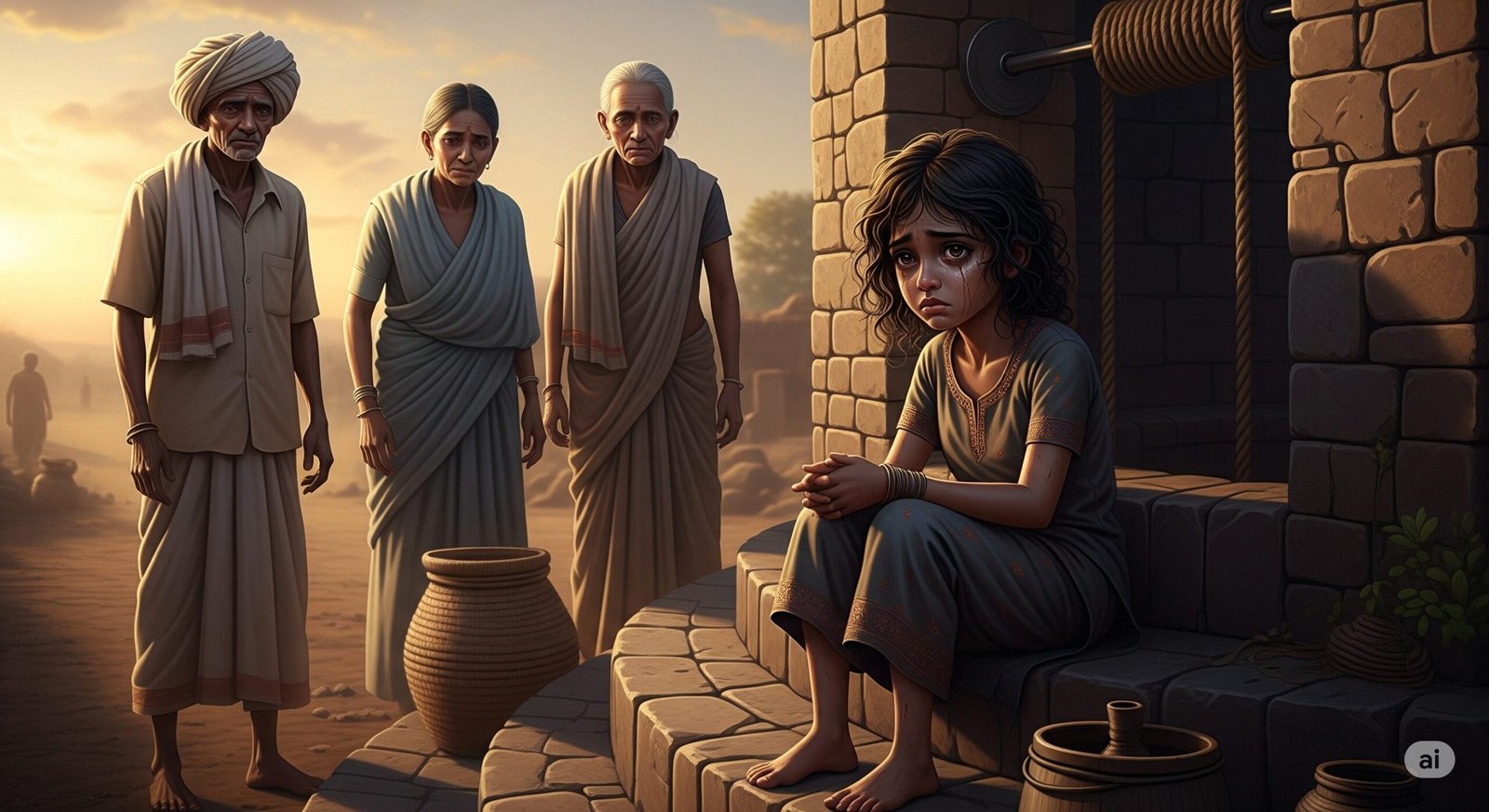
In the Indian cultural context, concepts like karma and “God’s will” are often used to make sense of tragedy. While these beliefs can offer comfort, they can also be used as a fate as an excuse for neglect. This is especially true in the case of a motherless girl. When a girl’s suffering is dismissed as her “fate,” it frees the family and community from their duty to care for her. Her neglect is no longer seen as a moral failure on their part, but as an unchangeable reality she was destined to face. This cultural fatalism becomes a convenient excuse for societal apathy and cruelty, effectively normalizing suffering for these vulnerable children.
The Excuse of “Fate”
Cultural Fatalism
The belief that a girl’s suffering is her “destiny” is used to justify inaction and neglect from the family and community.
Normalizing Suffering
Her hardship is seen as an acceptable, if unfortunate, outcome, which prevents others from intervening in cases of abuse.
A Public Welfare Crisis
The suffering of a motherless girl is not a private matter but a predictable and preventable public welfare crisis.
Cultural Fatalism and Societal Apathy
The idea that a girl’s hardship is simply her lot in life is deeply ingrained in the societal mindset. This cultural fatalism leads to widespread societal apathy. The suffering of a motherless girl is seen as an acceptable, if unfortunate, part of the natural order. This is clear in the way society often reacts to perinatal loss, where a woman is told, “God has taken one, he will give another one,” which erases the importance of her loss. In the same way, the struggles of a motherless girl—her lack of education, her early marriage, her emotional pain—are framed as part of a script that was written for her long ago. This way of thinking has terrible consequences, as it allows families and communities to justify their neglect.
Her neglect is no longer seen as a moral failure but as an inevitable reality she was destined to endure.
Normalizing Suffering: The Consequences of Inaction
When a girl’s suffering is accepted as her destiny, the act of normalizing suffering begins. This means that her cries for help may be ignored, and her potential may be wasted, all because it is seen as her “fate.” This allows families to justify pulling her from school, marrying her off as a child, or forcing her into domestic labor. It prevents the community from stepping in to stop abuse or neglect, because they feel it is not their place to interfere with “God’s will.” This use of fate as an excuse for neglect is one of the biggest barriers to improving the lives of motherless girls in India. With 91% of orphanages being non-governmental, the state’s ability to challenge these deep-seated cultural beliefs is limited, leaving NGOs to do most of the work.
91% Non-Governmental
With 91% of orphanages in India being non-governmental, the ability to challenge deep-seated cultural beliefs about “fate” and neglect falls heavily on underfunded civil society organizations.
From Private Sorrow to Public Crisis
The suffering of a motherless girl should not be seen as a private family matter or as her “fate.” It should be recognized for what it is: a predictable and preventable public welfare crisis. The loss of a mother sets off a chain of events—educational neglect, early marriage, physical and emotional trauma—that have long-term consequences for the girl and for society as a whole. The failure to intervene is a failure of our collective responsibility. By challenging the cultural narratives that normalize this suffering, we can begin to create a society that protects its most vulnerable members.
They said it was my destiny.
The Path Forward: Shifting the Narrative
The path forward requires a fundamental shift in how we view the suffering of motherless girls. We must move away from a culture of fatalism and towards a culture of active compassion and responsibility. Public awareness campaigns, led by NGOs and supported by the government, are essential for changing these deep-seated beliefs. These campaigns must educate communities about the real and damaging consequences of neglect and promote the idea that every child deserves a chance at a safe and happy life. By challenging the excuse of “fate,” we can begin to build a society that truly values and protects all its daughters.
30 Million
Orphans in India
With 30 million orphans in India, the cultural tendency to dismiss their suffering as “fate” affects a vast and vulnerable population, making systemic change a matter of urgent priority.
Using fate as an excuse for neglect is a powerful cultural barrier that prevents motherless girls from receiving the care and protection they need. It is a form of societal apathy that allows for their suffering to continue unchecked. By actively challenging this fatalistic mindset and promoting a culture of collective responsibility, we can ensure that the loss of a mother does not become a life sentence of neglect for her daughter.