
Emotional Regulation in Motherless Girls & Cognitive Impact
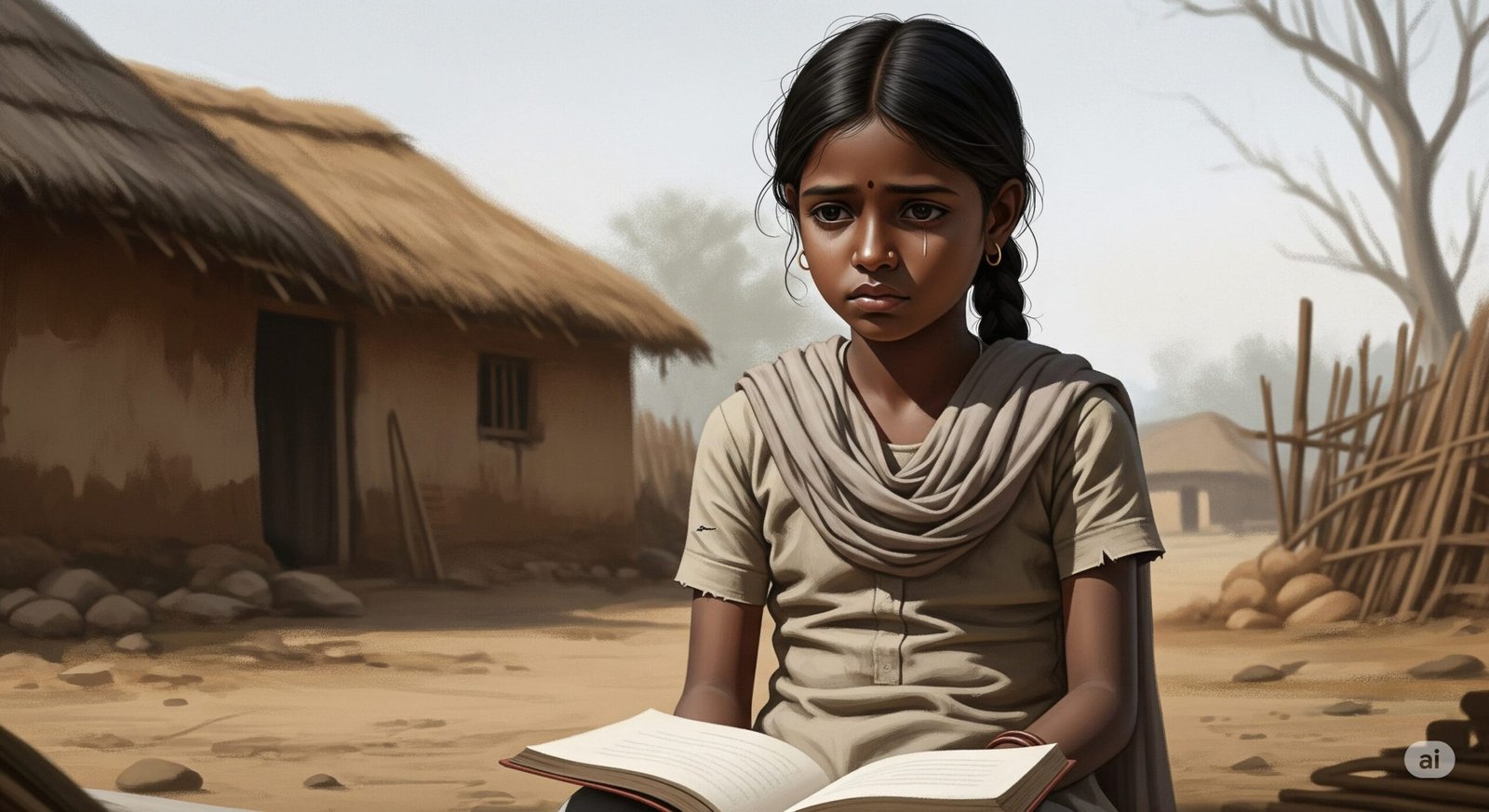
The loss of a mother is a profound trauma that deeply affects a girl’s ability to manage her feelings and develop mentally. The constant stress and grief from this loss can harm a child’s brain development, making it difficult for her to control her emotions and learn in school. This struggle with emotional regulation in motherless girls is a hidden wound, made even deeper by the harsh realities of caste and class disparities in India. This article explores how maternal loss impacts a girl’s cognitive development delays and her ability to regulate her emotions, creating lifelong challenges.
The Hidden Wounds of Loss
Emotional Dysregulation
Without a mother’s guidance, girls struggle to manage their emotions, leading to long-term psychological distress.
Cognitive Delays
The trauma of loss can impair cognitive development, leading to lower school performance and higher dropout rates.
Caste & Class Disparities
For girls from Dalit or Adivasi communities, the trauma is made worse by systemic discrimination and extreme poverty.
The Impact of Trauma on Brain Development and Emotional Regulation
The loss of a mother is a major stressor that can have a lasting impact on a child’s brain. The ongoing grief and instability can disrupt the development of the parts of the brain responsible for managing emotions. This makes it very difficult for a motherless girl to learn emotional regulation. She may struggle with intense feelings of anger, sadness, and fear without knowing how to cope with them. Research shows that 70% of children who lose a parent show severe emotional disturbances. Without a mother to provide comfort and guidance, these feelings can become overwhelming, leading to long-term mental health problems. This is a core part of the impact of trauma on the brain.
I didn’t know how to feel.
Cognitive Development Delays and Educational Barriers
The emotional turmoil caused by a mother’s death often leads to significant cognitive development delays. A girl who is struggling with grief and anxiety will find it hard to focus in school. As one motherless daughter shared, “I struggled to focus in school.” This is a common experience. Studies show that orphaned children have lower school performance and higher dropout rates. The trauma of her loss, combined with the new responsibilities she may have to take on at home, makes it nearly impossible for her to succeed academically. Her education, which is her best path out of poverty, is often sacrificed, trapping her in a cycle of limited opportunities.
70% Severe Disturbance
Research shows that 70% of children who have lost a parent show severe emotional and behavioral disturbances, highlighting the profound impact on emotional regulation.
The Triple Burden: Caste and Class Disparities
The mental health struggles of motherless girls in India are made much worse by caste and class disparities. For a girl from a Dalit or Adivasi (tribal) community, the wound of losing her mother is much deeper. These communities already face systemic discrimination, extreme poverty, and have little access to essential services. When a girl from one of these communities loses her mother, she loses her main protector in a hostile world. Her family, already struggling, has few resources to cope with the crisis. The chances that she will be pulled from school to work, suffer from severe malnutrition, or be forced into early marriage increase dramatically. Her psychological trauma is made invisible by these overwhelming problems. In a family focused on daily survival, her mental health is a luxury they cannot afford. She carries the triple burden of her gender, her orphan status, and her caste, a weight that crushes her spirit and leaves her with no way to heal.
She carries the triple burden of her gender, her orphan status, and her caste.
The Need for Intersectional Support
To truly help these girls, we must understand that their trauma is layered. It is not enough to offer grief counseling without also addressing the realities of poverty and caste discrimination. Support must be intersectional. This means providing financial assistance to keep girls in school, ensuring they have access to nutritious food, and creating safe spaces where they can heal from the emotional wounds of both loss and discrimination. Organizations working on the ground must be sensitive to these multiple layers of vulnerability. By providing holistic support that addresses the full scope of their challenges, we can help these girls build the resilience they need to overcome the immense obstacles they face.
Higher
Dropout Rates
Studies consistently show that orphaned children, especially girls, have significantly higher school dropout rates, a direct consequence of the cognitive and economic fallout of losing a parent.
The loss of a mother has a profound and lasting impact on a girl’s cognitive development and her ability to regulate her emotions. This hidden wound is made deeper by the intersecting challenges of caste and class. By recognizing the full weight of this burden and providing support that addresses all aspects of her trauma, we can help a motherless daughter not just survive, but thrive.