
The Unspeakable Trauma of Uxoricide on a Daughter
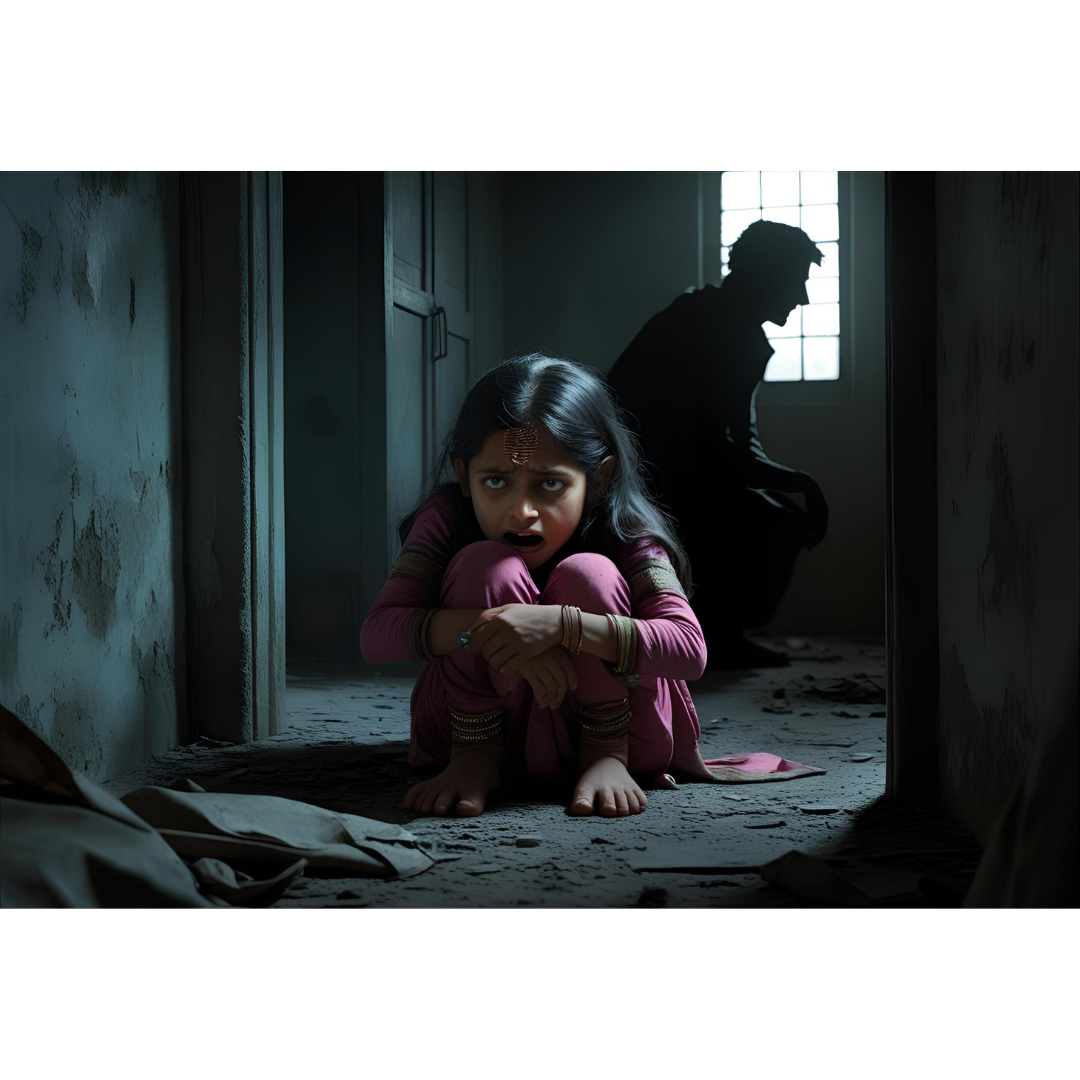
The unspeakable trauma of uxoricide, the act of a man murdering his wife, obliterates the very foundation of a child’s world. When a father kills a mother, the home, meant to be a sanctuary of safety and love, is transformed into a scene of unimaginable terror and betrayal. This is not a rare occurrence; research indicates that children are present during a significant number of spousal homicides, with studies finding that children were witnessing a mother’s murder in 35% of cases. This direct exposure to extreme, intimate violence inflicts a unique and devastating form of psychological trauma on the surviving daughter, one that goes far beyond the grief of maternal loss. It is a trauma of profound betrayal by the very person who should have been her protector.
The Anatomy of Uxoricide’s Trauma
Witness to Terror
In over a third of spousal homicides, children are direct witnesses, an experience that inflicts devastating psychological trauma.
Shattered Worldview
The act annihilates a child’s core beliefs about safety, love, and family, leaving them in a state of psychological freefall.
Complex PTSD
Girls who witness uxoricide are at extremely high risk of developing severe, complex PTSD with lifelong consequences.
The Annihilation of a Child’s Worldview
Psychological theory posits that children operate with a set of core beliefs that make the world feel safe: that the world is generally benign, that life has meaning, and that they have some control over their lives. The act of witnessing a mother’s murder at the hands of a father is the ultimate annihilation of these illusions. It is a fundamental violation of the natural order as a child understands it. This event creates a shattered worldview, leaving the daughter in a state of psychological freefall. The father’s hands, once a source of comfort, become the source of her deepest terror. The home is no longer a haven but a permanent reminder of the ultimate betrayal, a place where love and violence became indistinguishable. This is the core of the unspeakable trauma of uxoricide.
Children who witness parental homicides are emotionally traumatized, stigmatized, and deeply scarred by a terrifying event.
Complex PTSD in Children: The Lasting Scars
The consequences of this trauma are severe and long-lasting. A daughter who witnesses such an event is at an extremely high risk of developing complex PTSD in children, a condition characterized by intrusive memories, severe anxiety, dissociation (a feeling of detachment from reality), and social withdrawal. The trauma is not simply a reaction to seeing violence; it is a response to the complete and irreversible collapse of her understanding of love, family, and safety. In India, where patriarchal norms often excuse violence, with 30% of domestic violence cases involving severe outcomes, girls may also face blame or stigma, which intensifies the trauma. The unspeakable trauma of uxoricide is thus compounded by a society that may fail to protect her.
35% Witnessed Murder
Studies have found that children witnessed their mother’s murder in 35% of spousal homicide cases, and in 37% of incidents, they were the ones to discover her body, ensuring profound trauma.
The Unspeakable Trauma of Uxoricide and Familial Betrayal
The trauma of witnessing a mother’s murder is often just the beginning. The daughter is now left in the care of a family that may have enabled the abuse or, worse, may actively support the perpetrator. This familial betrayal is a second, soul-crushing wound. The home environment, already the scene of the crime, becomes a place of continued psychological torment. This is particularly acute in a patriarchal context where family “honour” and the protection of the male lineage can take precedence over justice for the murdered woman and the well-being of her child. The girl is trapped, her sense of reality and trust completely destroyed. The unspeakable trauma of uxoricide is not a single event but the beginning of a life sentence of fear and psychological scarring.
The betrayal shattered my sense of safety.
The Need for Trauma-Informed Care
Healing from such a profound trauma requires specialized, trauma-focused therapy. However, with only 0.3 psychiatrists per 100,000 people in India, such care is largely inaccessible, especially in rural areas. NGOs like Guria, which provide shelters and therapeutic interventions, are critical but rare. Without immediate and sustained support, the daughter is left to navigate her shattered worldview alone. The unspeakable trauma of uxoricide leaves an indelible scar, shaping her mental health, her ability to trust, and her capacity for future relationships in ways that are difficult to comprehend and even harder to heal. Recognizing the severity of this specific trauma is the first step toward creating the systems of care necessary to help these girls reclaim their lives.
30%
of DV cases
In India, 30% of domestic violence cases involve severe outcomes, including maternal death, placing countless children at risk of witnessing this unspeakable trauma.
When a father murders a mother, the act of uxoricide is a fundamental betrayal that destroys a child’s life. The unspeakable trauma of witnessing this violence, combined with the collapse of her family and sense of safety, creates a psychological wound that requires immediate and specialized intervention. Society must move beyond viewing this as just another form of maternal loss and recognize it as a unique and catastrophic event that demands a focused and compassionate response to help the surviving daughter heal.