The Role of the Maternal Aunt (Maasi) as a Support System
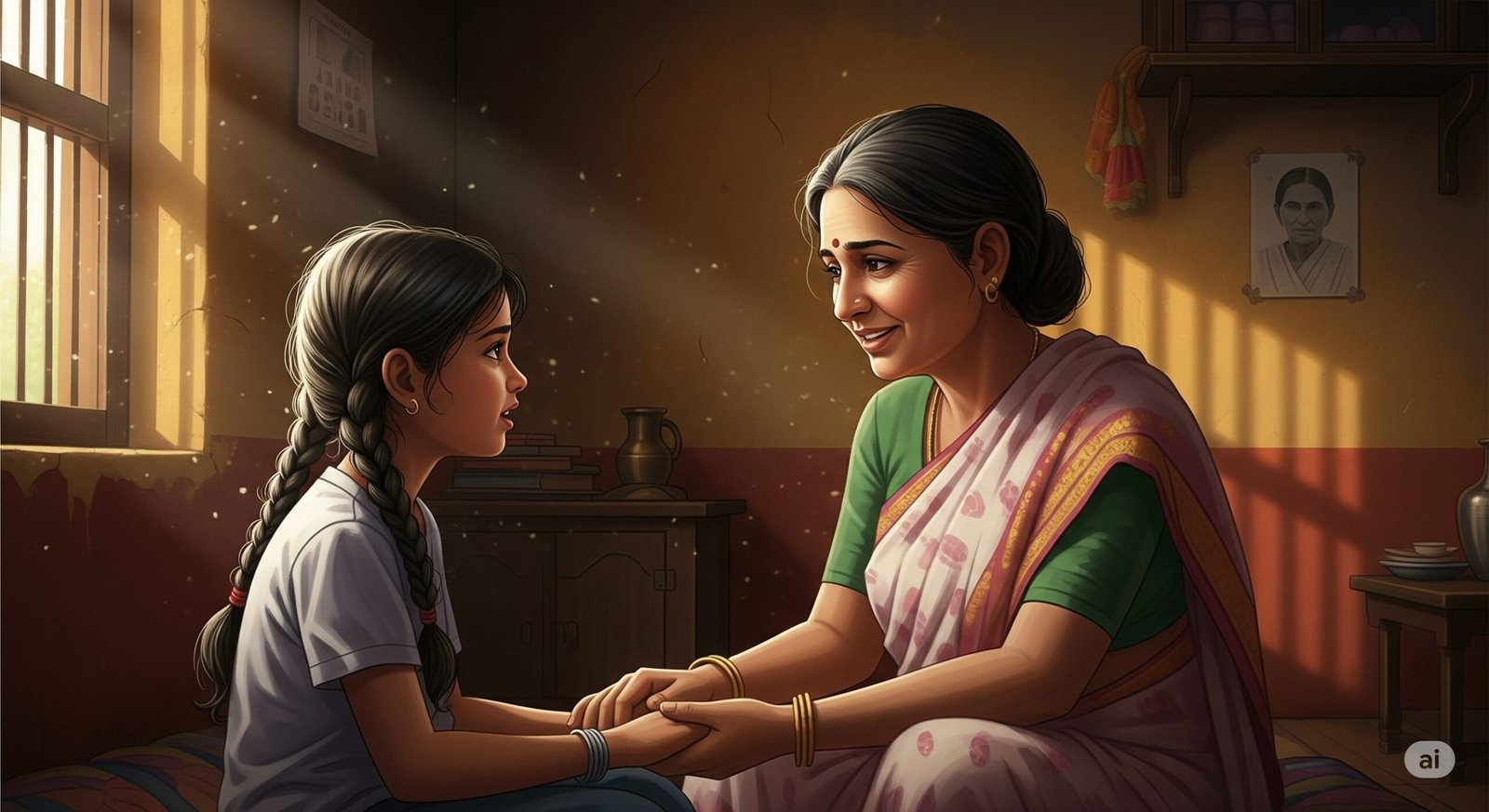
In the intricate web of Indian family relationships, the role of the maternal aunt, or Maasi, holds a special place of reverence and affection. She is often considered a second mother, a confidante, and a source of unconditional love. For a girl who has lost her mother, the Maasi can become her most important ally—a potential substitute support system that bridges the devastating gap left by her mother’s absence. This article explores the cultural significance of the Maasi in Indian culture, her potential to provide a lifeline of support, and the real-world kinship care challenges that can either strengthen or sever this vital connection.
A Beacon of Hope
The “Second Mother”
The Maasi is culturally seen as a second mother, offering a unique blend of familial love and friendship.
Link to Maternal Heritage
She is a living connection to the mother’s past, able to share stories and memories that keep her legacy alive.
Kinship Care Challenges
Despite the cultural ideal, practical barriers like distance, family politics, and finances can limit the aunt’s ability to help.
The Maasi in Indian Culture: More Than Just an Aunt
The Maasi in Indian culture is a unique and cherished relationship. The term itself, derived from “Maa-si” (like a mother), defines her role. She is often a girl’s first friend outside of her immediate family, a trusted confidante, and a source of comfort. The role of the maternal aunt becomes even more critical in the absence of a mother. She is a living link to her sister, capable of sharing stories and memories that the daughter may be too young to remember. She can provide the emotional validation and gender-specific guidance on issues like menstruation and marriage that a father or male relatives cannot. In an ideal world, the Maasi is perfectly positioned to step in and become the primary source of emotional support for her grieving niece.
My aunt was the only person who told me stories about my mother.
The Reality of Kinship Care Challenges
While the cultural ideal of the Maasi as a second mother is strong, the reality is often complicated by significant kinship care challenges. After a mother’s death, the paternal family may become possessive of the child and view the maternal relatives with suspicion. They may actively discourage or prevent contact, fearing interference or a competing influence. Furthermore, the aunt may have her own family and financial responsibilities that make it difficult for her to take on the care of another child. Geographic distance can also be a major barrier. For a motherless girl, the promise of a loving relationship with her aunt can be a source of deep disappointment if these practical barriers prevent it from becoming a reality.
89% Live with Surviving Parent
While 89% of children in single-parent households live with the surviving parent, this often doesn’t guarantee a connection to maternal relatives, highlighting the profound loss of the maayka and its support system.
When the Substitute Support System Succeeds
Despite these challenges, there are countless stories where the maternal aunt successfully becomes a substitute support system. When the paternal family allows and encourages the relationship, a Maasi can become a lifeline for her niece. She can provide the emotional comfort, practical guidance, and sense of connection to her mother’s heritage that is so desperately needed. This relationship can be a powerful force for healing, helping the girl to navigate the trauma of her loss without feeling completely alone. It is a testament to the strength of sisterhood and the enduring power of maternal love, passed from one generation to the next.
She became my mother.
The Need to Strengthen Kinship Bonds
To support motherless girls, we must recognize and strengthen the vital role of the maternal aunt. This means creating a legal and social framework that prioritizes the child’s right to maintain relationships with her maternal relatives. Family counseling services can help mediate conflicts between paternal and maternal families, ensuring that the child’s best interests are put first. By celebrating and supporting the role of the Maasi, we can help ensure that every motherless girl has a source of love and guidance to help her through life’s challenges.
Only 9%
of orphanages
Only 9% of orphanages in India receive government support, which means the vast majority of kinship care arrangements, where the role of the maternal aunt is most critical, have no formal oversight or support.
The role of the maternal aunt is a cornerstone of the Indian family, offering a unique and powerful source of support. For a motherless daughter, this relationship can be the difference between a life of isolation and one of connection and healing. By understanding the challenges and working to strengthen these kinship bonds, we can help ensure that every motherless girl has a “second mother” to guide her on her journey.