
The Role of NGOs for Motherless Girls: Building a Network
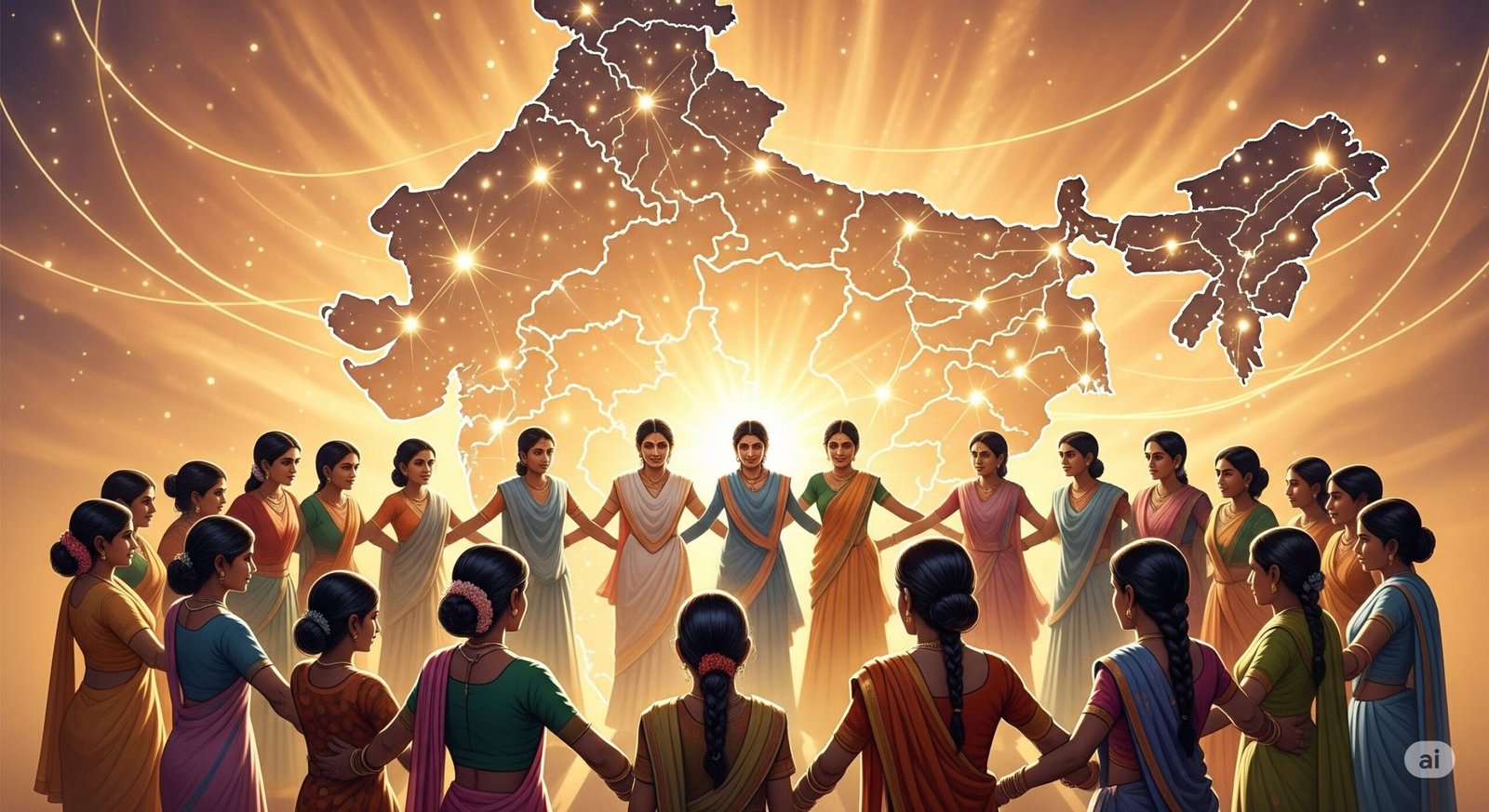
The complex and deeply ingrained challenges faced by motherless daughters in India cannot be solved by isolated, small-scale efforts. A problem this widespread requires a coordinated, national response. This is where the role of NGOs for motherless girls and civil society becomes absolutely critical. While the state has a responsibility to protect its citizens, it is often non-governmental organizations (NGOs) and civil society organizations that are on the front lines, providing direct care and advocating for systemic change. The path forward lies in building a national network of these organizations to create comprehensive, holistic support systems that can reach every girl in need, no matter where she lives.
A Network of Hope
Grassroots Intervention
NGOs provide direct, on-the-ground support, offering services like shelter, counseling, and legal aid that the state often cannot.
Advocacy for Change
Civil society organizations play a key role in advocating for legal and policy reforms to protect the rights of motherless girls.
Building a National Network
Connecting NGOs across the country can create a powerful, unified voice for change and a comprehensive safety net for all girls.
The Power of Civil Society Organizations
In India, civil society organizations have historically been at the forefront of social reform. They are often more agile and more connected to local communities than government agencies, allowing them to identify and respond to needs more effectively. Organizations like the Invisible Girl Project, Aarti For Girls, and Guria work tirelessly to provide a range of services, from rescuing girls from trafficking and abuse to providing them with education, shelter, and psychological support. These organizations do not just provide aid; they provide a lifeline. They step into the void left by the family and the state, offering the protection and care that is so desperately needed.
We cannot wait for the government to act. We must act now.
Building a National Network for Holistic Support
While the work of individual NGOs is vital, the true power lies in building a national network. A coordinated network of organizations can share resources, best practices, and data, creating a more efficient and effective response. Such a network could create a national database of motherless girls to ensure they are tracked and supported, no matter where they live. It could also launch nationwide public awareness campaigns to challenge the stigmas and prejudices these girls face. By working together, these organizations can create holistic support systems that address the full spectrum of a motherless girl’s needs—from her physical health and safety to her emotional well-being and education.
91% Non-Governmental
With 91% of orphanages in India being non-governmental, the primary responsibility for care already falls on civil society. A national network would strengthen and coordinate these existing efforts.
Advocacy: A Unified Voice for Legal Reform
A national network would also have a much stronger voice in advocating for legal and policy change. The role of NGOs for motherless girls must include pushing for the reforms needed to close the legal voids that leave them vulnerable. By presenting a united front, these organizations can lobby the government more effectively for changes to inheritance and guardianship laws, and for the creation of specific policies that recognize and protect motherless daughters. This collective advocacy is essential for creating the systemic change that will ensure the rights and safety of these girls are protected by law, not just by the goodwill of individual organizations.
Alone we can do so little; together we can do so much.
The Path Forward: Collaboration and Collective Action
The path forward requires a new model of collaboration. NGOs, civil society groups, legal aid organizations, and mental health professionals must work together to create a seamless web of support. This network must be accessible to every motherless girl, whether she lives in a remote village or a bustling city. By leveraging technology to connect these organizations and by fostering a culture of shared responsibility, we can build a national movement that refuses to let these girls fall through the cracks. It is a monumental task, but it is one that we must undertake to ensure that every motherless daughter in India has the chance to lead a safe, healthy, and empowered life.
30 Million
Orphans in India
The sheer scale of the orphan crisis in India, with 30 million children affected, makes a coordinated national network of NGOs and civil society not just a good idea, but an absolute necessity.
The challenges facing motherless girls in India are too vast for any single organization to solve. Building a national network of NGOs and civil society organizations is the only way to create a safety net that is strong enough to catch every girl who falls. Through collective action, shared resources, and a unified voice for change, we can transform a landscape of isolated struggles into a powerful movement for justice and compassion.