

The Stigma of Childlessness for the Motherless Daughter
In the pronatalist culture of India, womanhood and motherhood are often seen as the same thing. A woman’s value…
Focuses on health conditions as they relate to and are experienced by women, considering unique biological and sociocultural factors.
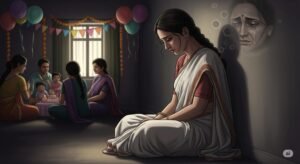
In the pronatalist culture of India, womanhood and motherhood are often seen as the same thing. A woman’s value…

Upon marriage, an Indian woman traditionally moves into her husband’s home, where she must begin the difficult process of…
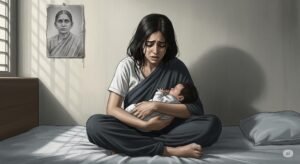
Pregnancy and childbirth are transformative experiences that, for many women in India, are navigated with the essential support of…
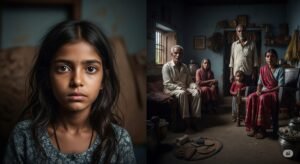
The physical consequences of losing a mother in India do not end with one person; they create a tragic…
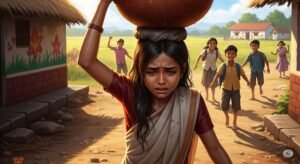
For a motherless girl, the burden of strenuous work at an early age is immense. The physical toll of domestic duties and the risks of poor sanitation combine to steal her childhood and her future.

For a motherless girl in India, navigating menarche without a guide creates a dangerous hygiene deficit, turning a natural milestone into a source of fear, shame, and health risks.
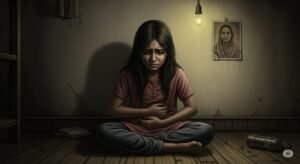
For a motherless girl, the embodiment of trauma is a painful reality where emotional distress becomes physical illness, a problem worsened by the lack of health care access for girls.
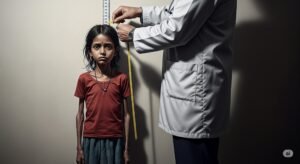
The physical development of a girl is deeply connected to the care she receives, a role mostly fulfilled by…
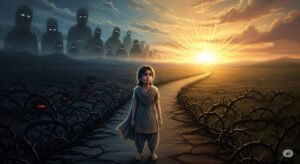
The long-term mental health of motherless daughters is a complex issue shaped by the intersectionality of trauma, caste, and class, yet many find paths to resilience and post-traumatic growth.
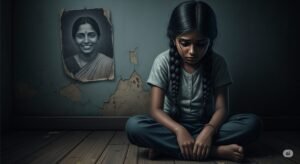
The clinical fallout of maternal loss casts a long shadow over a girl’s mental health, significantly increasing the risk for depression, anxiety, and PTSD that can persist for a lifetime.
End of content
End of content