
Social Avoidance of Motherless Girls & Educational Barriers
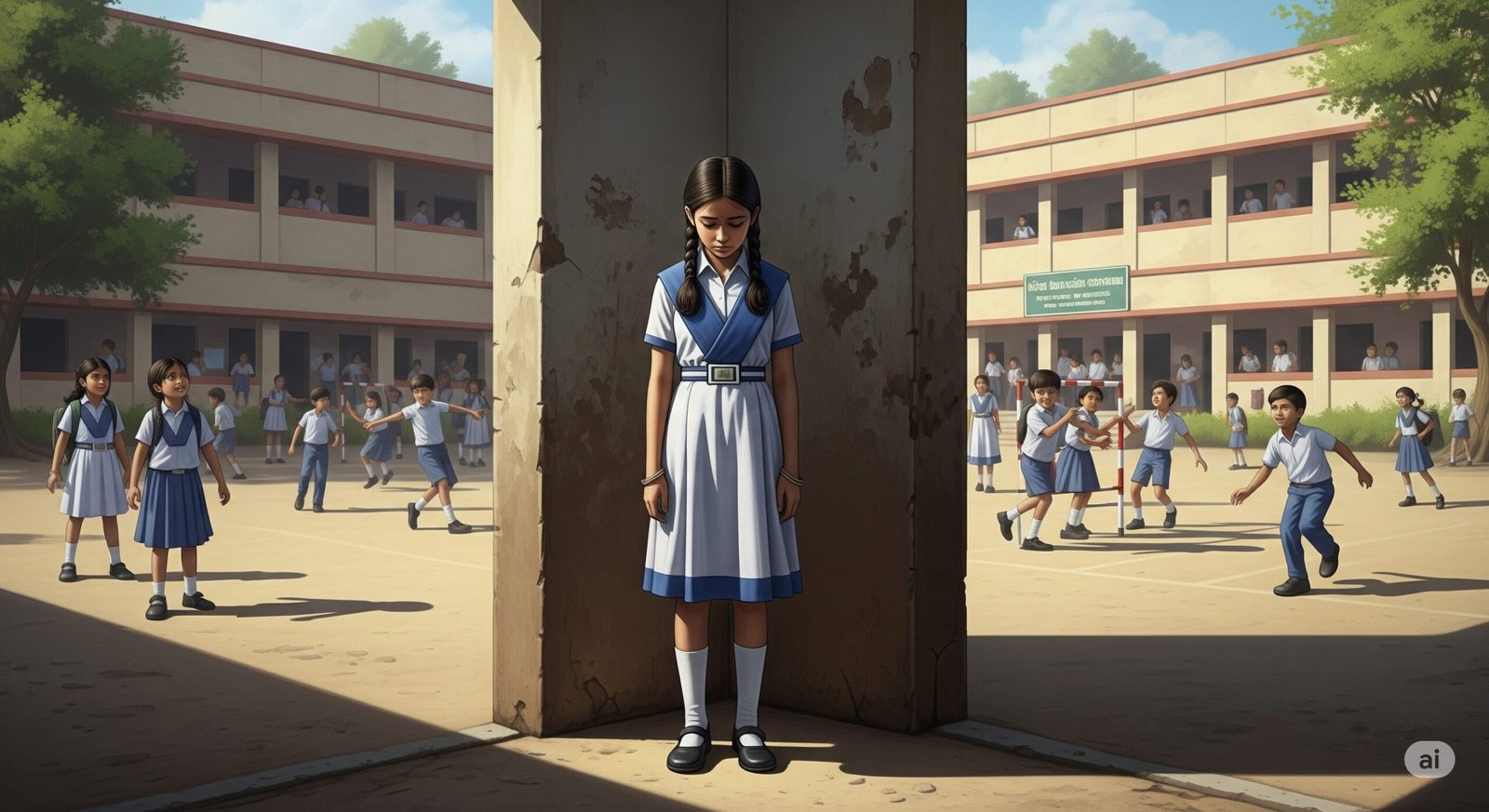
The social avoidance of motherless girls in India is a painful and often overlooked consequence of their loss. The social stigma attached to being motherless often leads to active social isolation. Friends, neighbors, and even extended family members may pull away, creating a painful social vacuum around the girl and her family. This avoidance is often not because of unkindness, but because of discomfort. People do not know what to say or how to act around someone who has experienced such a tragedy. The result, however, is that the girl is left feeling like an outcast. This isolation has a direct and damaging impact, creating significant educational barriers for girls and deepening their experience of disenfranchised grief.
The Pain of Invisibility
Social Avoidance
Peers and community members often withdraw out of discomfort, leaving the girl feeling like a social outcast.
Educational Barriers
Social isolation and the burden of grief lead to higher school dropout rates, trapping girls in a cycle of limited opportunities.
Suppressed Grief
The girl learns to hide her sadness because it makes others uncomfortable, leading to long-term psychological harm.
Social Isolation: A Self-Fulfilling Prophecy
The experience of being avoided teaches a girl that her grief is something to be hidden. She learns to suppress her sadness and to present a brave face to the world, which only isolates her more from any chance of real connection. The social isolation is especially damaging for a child, for whom friendships and community are essential for development. Personal accounts speak of being laughed at or ignored by others, which deepens the wounds of loss. This can lead to social anxiety and a fear of forming close relationships, as she worries that her tragic history will push people away. The social avoidance of motherless girls becomes a self-fulfilling prophecy, trapping her in a cycle of loneliness.
Friends drifted away.
The Educational Barriers for Girls Left Behind
The social isolation a motherless girl feels has a direct impact on her education, creating significant educational barriers for girls. The school environment can become a place of torment. She may be treated differently by teachers and classmates, reinforcing her feeling of being an outsider. This, combined with the emotional turmoil of her grief, makes it very difficult for her to focus on her studies. As research from ScienceDirect shows, orphans have higher dropout rates. For a girl, losing her mother can mean the end of her education and, with it, her best chance of escaping a life of poverty and dependence. The social avoidance she experiences at school contributes directly to this tragic outcome.
70% Show Disturbance
Studies show that 70% of bereaved children exhibit severe emotional and behavioral disturbances, making it difficult for them to integrate socially and succeed in school.
The Burden of Disenfranchised Grief
The social avoidance of a motherless girl reinforces her experience of disenfranchised grief. Because her sorrow makes others uncomfortable, she learns to keep it to herself. Her grief is not seen as valid or deserving of public expression. She carries the heavy weight of not only her own sadness but also the feeling that her sadness is a burden to others. This invalidated grief can lead to long-term psychological problems, including depression and anxiety. It is a profound injustice that a child, already dealing with an immense loss, is also made to feel ashamed of her own natural feelings.
School became unbearable.
The Need for Supportive Communities and Schools
To break this cycle of isolation and educational failure, communities and schools must take an active role. Teachers need to be trained to be sensitive to the challenges faced by students who have lost a parent. They can create a supportive classroom environment where a grieving child feels safe and understood. Peer support groups can also be very helpful, giving girls a space to connect with others who share their experience. Community leaders must work to challenge the stigma around grief and encourage people to offer compassion instead of avoidance. By creating a more supportive environment, we can help ensure that a motherless girl is not left to face her grief alone.
Higher
Dropout Rates
Orphans consistently have higher school dropout rates, a problem made worse by the social isolation and lack of emotional support that often follows the loss of a mother.
The social avoidance of motherless girls is a cruel and damaging reality that creates significant educational barriers and deepens their psychological wounds. By fostering a culture of empathy and creating proactive support systems in our schools and communities, we can help turn a story of isolation into one of connection and hope.