The Embodiment of Trauma: Health Care Access for Girls
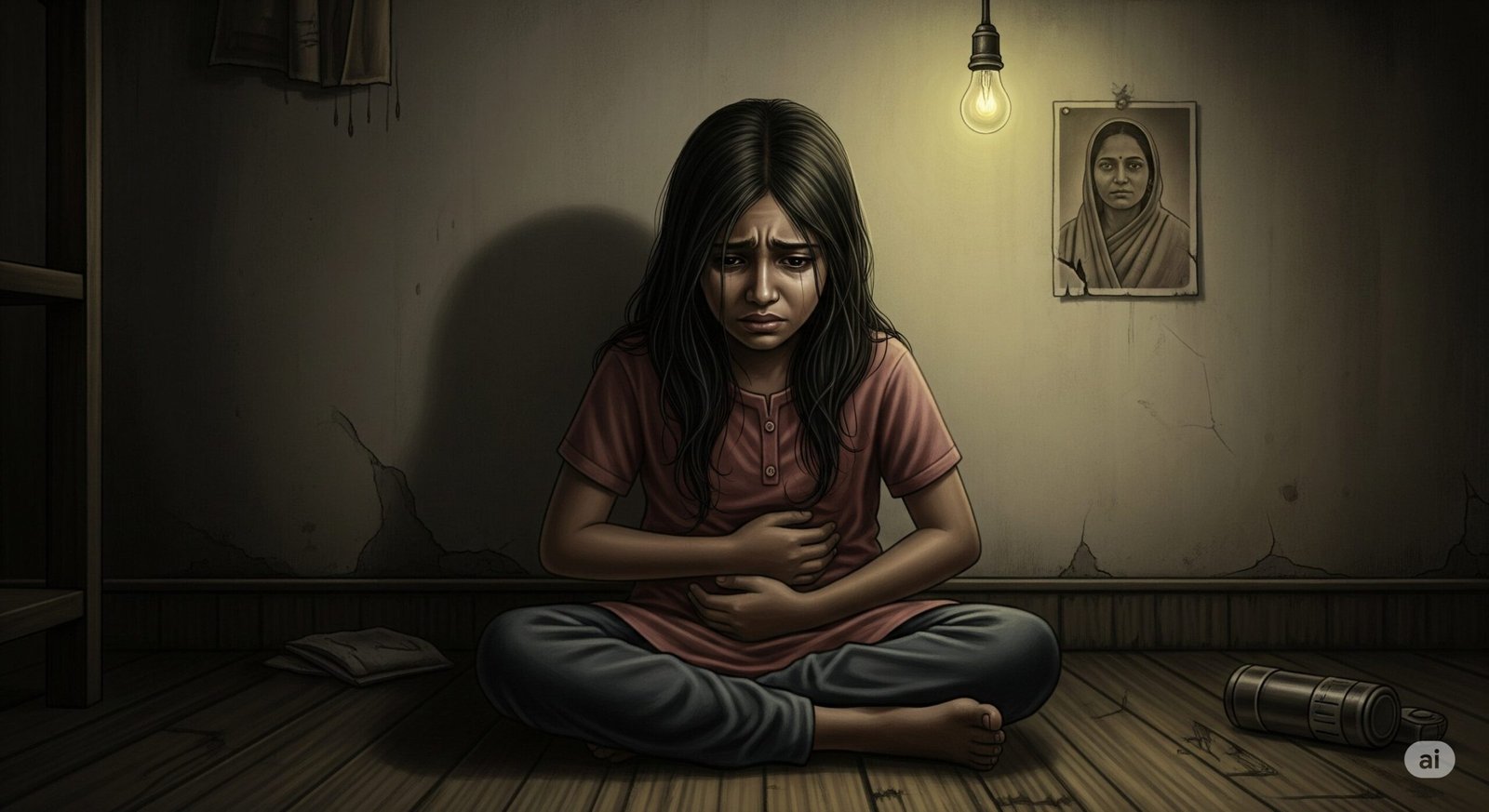
The impact of losing a mother goes beyond just emotional pain; it often leads to the physical embodiment of trauma, where deep sadness and stress show up as real physical illnesses in a girl’s developing body. The constant stress from grief and instability can change how a child’s brain and body respond to stress. This can have real and harmful effects on her physical health. When psychological pain turns into physical sickness, it is known as the somatization of grief. This crisis is made much worse by the poor health care access for girls in many parts of India, creating an intergenerational cycle of poor health.
When Grief Becomes Sickness
Embodiment of Trauma
Psychological distress from loss manifests as real physical symptoms like chronic headaches, stomach issues, and fatigue.
Limited Health Care
With only 370,000 of 30 million orphans in care homes, most motherless girls lack access to basic health services.
Intergenerational Cycle
Poor health from trauma and neglect is often passed down from the motherless mother to her own children.
The Body Keeps the Score: Somatization of Grief
Research has shown that children who witness domestic violence or are victims of abuse—common experiences for many motherless girls—are at high risk for long-term physical health problems. The constant state of fear and anxiety can lead to a range of physical symptoms, a process known as the somatization of grief. This can include chronic headaches, unexplained digestive issues, and a racing heart. The story of an “unwanted daughter” in India offers a clear example. After being separated from her parents and living in a state of neglect, she began having seizures, a loss of appetite, and sleep problems at the age of nine, which led to a serious decline in her physical health. For a girl who is not allowed to express her sadness, her body may become the only way to show her distress. Her physical sickness is not a sign of weakness but the body’s language for the embodiment of trauma.
When a child has traumatic experiences, it can affect their physical, cognitive, and emotional health in both the short and long term.
Poor Health Care Access for Girls: A Systemic Failure
The problem is made much worse by the lack of health care access for girls in India. A motherless girl is often the last person in the family to receive medical attention. With her primary advocate gone, there is no one to notice her symptoms or insist that she see a doctor. In a family struggling with poverty, a girl’s health complaints may be dismissed as unimportant. This neglect is a systemic issue. With only 370,000 of India’s 30 million orphans living in care institutions, most are left without any formal support. This means that a girl suffering from the physical effects of trauma is unlikely to receive the medical care she needs. Her physical pain, just like her emotional pain, is ignored.
30 Million Orphans
India is home to 30 million orphaned children, yet only 370,000 reside in care institutions, leaving the vast majority without formal health care access.
The Intergenerational Cycle of Poor Health
The physical consequences of losing a mother create a tragic intergenerational cycle of poor health. A girl who grows up with poor health from malnutrition and trauma is likely to become a woman with chronic health problems. These disadvantages are carried with her into marriage and motherhood, where they are often passed on to her children. UNICEF research shows that nearly 50% of growth failure in children can be traced back to the poor health and nutrition of their mother during her own life. A motherless mother who is herself unhealthy is more likely to give birth to an unhealthy child, continuing the cycle of disadvantage. The physical burden of being motherless becomes a societal problem, passed from one generation of women to the next.
No one took me to the doctor.
The Path to Healing: Integrated Health and Emotional Care
To heal these deep wounds, we need an approach that treats both the body and the mind. The embodiment of trauma shows that physical and emotional health are deeply connected. It is not enough to provide food without also providing emotional support. It is not enough to offer counseling without also ensuring a girl has access to basic health care. NGOs like Homes of Hope, which rescue thousands of vulnerable girls, play a critical role in providing this integrated care. By creating community health programs that screen for both malnutrition and emotional distress, we can begin to address the full scope of a motherless girl’s suffering. This means training health workers to recognize the physical signs of trauma and creating referral systems that connect girls with the mental health support they need. By breaking the silence around both the physical and emotional scars of neglect, we can offer these girls a real chance at a healthy future.
50%
of Growth Failure
UNICEF research suggests that nearly 50% of growth failure in children by age two can be linked to poor maternal nutrition and health during the mother’s own life, highlighting the intergenerational cycle of poor health.
The physical scars of neglect are a painful manifestation of a motherless daughter’s loss. The embodiment of trauma is a silent cry for help that society has a duty to answer. By improving health care access for girls and understanding the deep connection between emotional and physical well-being, we can break the cycle of poor health and give these girls the foundation they need to build strong, healthy lives.