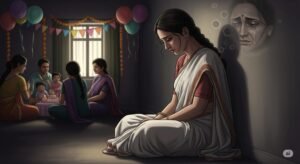
Empowering the Girl Child: Fostering Agency & Self-Reliance

The ultimate goal of any intervention for motherless daughters must go beyond simply protecting them from harm; it must focus on empowering the girl child to become the author of her own life. This means actively fostering agency—her capacity to make choices and act on them—and building the skills needed for self-reliance in girls. While the trauma of losing a mother is a profound wound, it does not have to be a life sentence of victimhood. With the right support, many of these girls demonstrate incredible strength and can experience post-traumatic growth, turning their suffering into a source of empathy and resilience. This article explores the crucial steps needed to move a motherless daughter from a state of vulnerability to one of empowerment.
From Victim to Victor
Fostering Agency
Empowering girls to make their own choices about their education, health, and future is the key to breaking the cycle of victimhood.
Education & Skills
Providing access to quality education and vocational training is the most powerful tool for building self-reliance.
Post-Traumatic Growth
With the right support, the trauma of loss can be transformed into a source of deep inner strength, empathy, and resilience.
Fostering Agency: The Power of Choice
A motherless girl’s life is often dictated by the decisions of others—her father, her relatives, her in-laws. Fostering agency means giving her back the power to make her own choices. This starts with ensuring she has a voice in the decisions that affect her life, from her education to her marriage. Support systems, whether through mentorship programs or community groups, must focus on building her confidence and decision-making skills. When a girl learns that her voice matters and that she has the right to choose her own path, she moves from a position of helplessness to one of power. This is the foundation of true empowerment.
I was no longer a victim of my circumstances; I was the architect of my future.
Education and Skills: The Tools for Self-Reliance in Girls
The most effective tool for building self-reliance in girls is education. Keeping a motherless girl in school is the single most important intervention to protect her future. It delays early marriage, reduces her vulnerability to exploitation, and gives her the skills she needs to be financially independent. This must be supplemented with vocational training programs that provide practical skills for employment. Financial literacy is another crucial component. Schemes like the Sukanya Samriddhi Yojana are important, but girls also need to be taught how to manage their own finances. By equipping her with these tools, we give her the ability to support herself and break the cycle of poverty and dependence.
Sukanya Samriddhi Yojana
Government schemes like the Sukanya Samriddhi Yojana provide a crucial tool for a girl’s financial security, but they must be paired with financial literacy education to foster true self-reliance.
Post-Traumatic Growth: From Suffering to Strength
While the trauma of losing a mother is immense, it can also be a catalyst for profound personal development, a process known as post-traumatic growth. Many motherless daughters, forced to mature early and navigate immense challenges, develop a deep sense of responsibility, inner strength, and empathy. As one woman shared, her traumatic childhood made her “strong, intelligent and empathetic,” qualities that led to great success. This is not to romanticize their suffering, but to recognize that with the right support, trauma does not have to be a purely destructive force. Therapeutic interventions and mentorship can help a girl process her trauma in a way that allows her to find meaning in her experience and use it as a source of strength.
Girls showed higher emotional resilience scores than boys.
A Blueprint for Empowerment
Empowering the girl child who has lost her mother requires a holistic and coordinated approach. It means ensuring her legal rights are protected, her education is continued, and her emotional needs are met. It means creating a network of support through community programs, mentorship, and peer groups. It means shifting the cultural narrative from one of pity to one of respect for her resilience. By investing in her agency and self-reliance, we are not just helping one child; we are breaking a cycle of intergenerational trauma and building a stronger, more equitable society for all.
Higher
Emotional Resilience
Studies show that while facing immense stress, girls in single-parent households often develop higher emotional resilience and a greater sense of responsibility compared to their peers.
The journey of a motherless daughter is one of immense challenge, but it does not have to be one of defeat. By moving beyond a framework of simple protection to one of active empowerment, we can provide these girls with the tools they need to not just survive, but to thrive. Fostering agency and self-reliance is the key to unlocking their potential and helping them build a future defined by their strength, not their scars.