
Shifting the Narrative on Motherless Girls in Media & Education
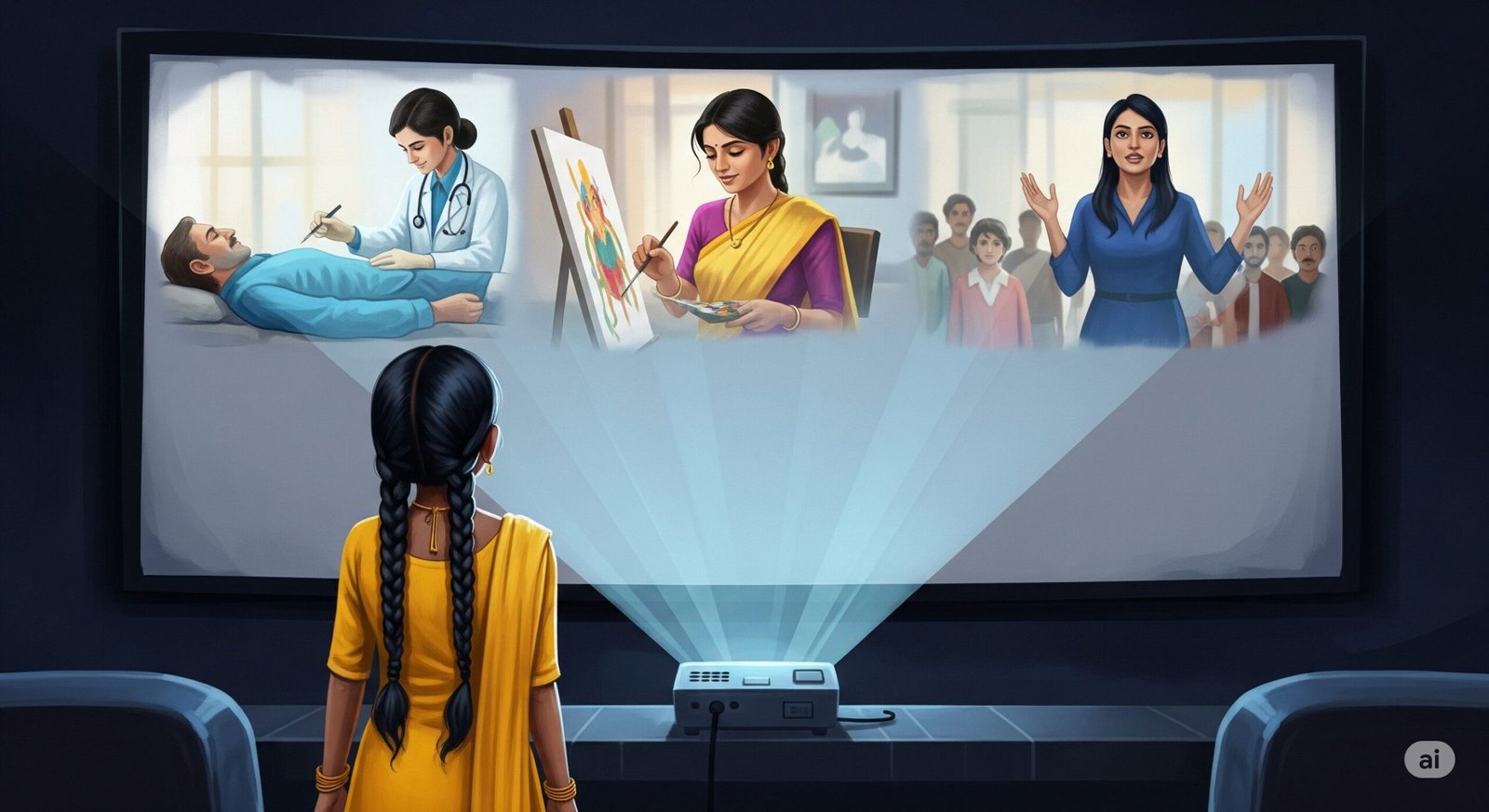
Legal reforms and support systems are crucial, but to create lasting change for motherless daughters in India, we must focus on shifting the narrative on motherless girls. The deep-seated societal prejudices that lead to their neglect and abuse are fueled by cultural stories that portray them as tragic, burdensome, or unlucky. The role of media in social change and the power of an education for empathy are our most powerful tools for dismantling these harmful stereotypes. By changing the stories we tell, we can change the way society sees and treats these vulnerable children, moving from a narrative of pity to one of empowerment.
Changing the Story
Role of Media
Media has the power to challenge stereotypes by portraying motherless girls as resilient and capable, not as tragic victims.
Education for Empathy
Integrating stories of resilience and loss into school curricula can teach empathy and combat stigma from a young age.
A Blueprint for Change
A coordinated effort between media, educators, and NGOs is needed to create a new, empowering narrative for motherless girls.
The Role of Media in Social Change: From Victim to Hero
Media, including film, television, and print, has a profound influence on shaping cultural attitudes. For too long, the portrayal of motherless girls in Indian media has been one-dimensional, often casting them as helpless victims or tragic figures destined for a life of suffering. This narrative reinforces harmful stereotypes and societal apathy. The role of media in social change is to actively challenge these portrayals. We need stories that show the resilience, strength, and agency of motherless daughters. By highlighting their successes and their capacity for post-traumatic growth, the media can help society see them not as objects of pity, but as individuals with immense potential. Campaigns like “Beti Bachao, Beti Padhao” have shown that media advocacy can be a powerful tool for changing mindsets about the value of girls.
The stories we tell shape the world we live in.
Education for Empathy: Teaching Compassion in Schools
The work of shifting the narrative on motherless girls must also begin in the classroom. An education for empathy can be integrated into the school curriculum to foster a greater understanding of loss and resilience among children. This can be done through storytelling, literature, and discussions that encourage students to consider the experiences of others. By teaching children about the emotional impact of losing a parent, we can help break down the discomfort and fear that often lead to social avoidance. Schools can become a place where a grieving child is met with compassion from her peers, not with stigma or isolation. This approach helps to create a more supportive generation that is better equipped to deal with the realities of loss.
“Beti Bachao, Beti Padhao”
The success of government campaigns like “Beti Bachao, Beti Padhao” demonstrates the power of media and public education in shifting long-held cultural narratives about the value of girls.
Challenging Cultural Stereotypes Through Public Awareness
Public awareness campaigns, led by NGOs in partnership with the government, are essential for challenging cultural stereotypes on a large scale. These campaigns can use a variety of media to reach a wide audience, from television ads to social media movements. The goal is to directly confront the harmful myths and prejudices surrounding motherless girls. By featuring the real stories of successful and resilient motherless women, these campaigns can provide powerful role models and demonstrate that the loss of a mother does not have to define a girl’s entire life. This is a crucial step in moving the public conversation from one of “fate” and tragedy to one of support and empowerment.
We need to change the story from ‘bechari’ (helpless one) to ‘bahadur’ (brave one).
A Blueprint for a More Compassionate Future
Creating a new narrative is a long-term project that requires a coordinated effort. Media houses must take responsibility for their portrayals of orphaned children. Educational institutions must integrate empathy and emotional intelligence into their curricula. NGOs must continue to lead the way with public awareness campaigns that challenge stigma and celebrate resilience. By working together, we can create a cultural environment where a motherless girl is not defined by her loss, but is seen, supported, and empowered to build a future of her own making.
30 Million
Orphans in India
With 30 million orphans in India, shifting the public narrative is not a niche issue but a national imperative for building a more inclusive and compassionate society.
Shifting the narrative is the final and perhaps most crucial step in creating a just world for motherless daughters. Laws and support systems can provide a framework for protection, but true change happens in the hearts and minds of the community. By harnessing the power of media and education, we can replace the old stories of tragedy with new stories of strength, ensuring that every girl has the chance to write her own story, free from the weight of societal prejudice.