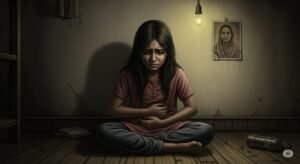
The Loss of Maternal Heritage & Fading Grandparents
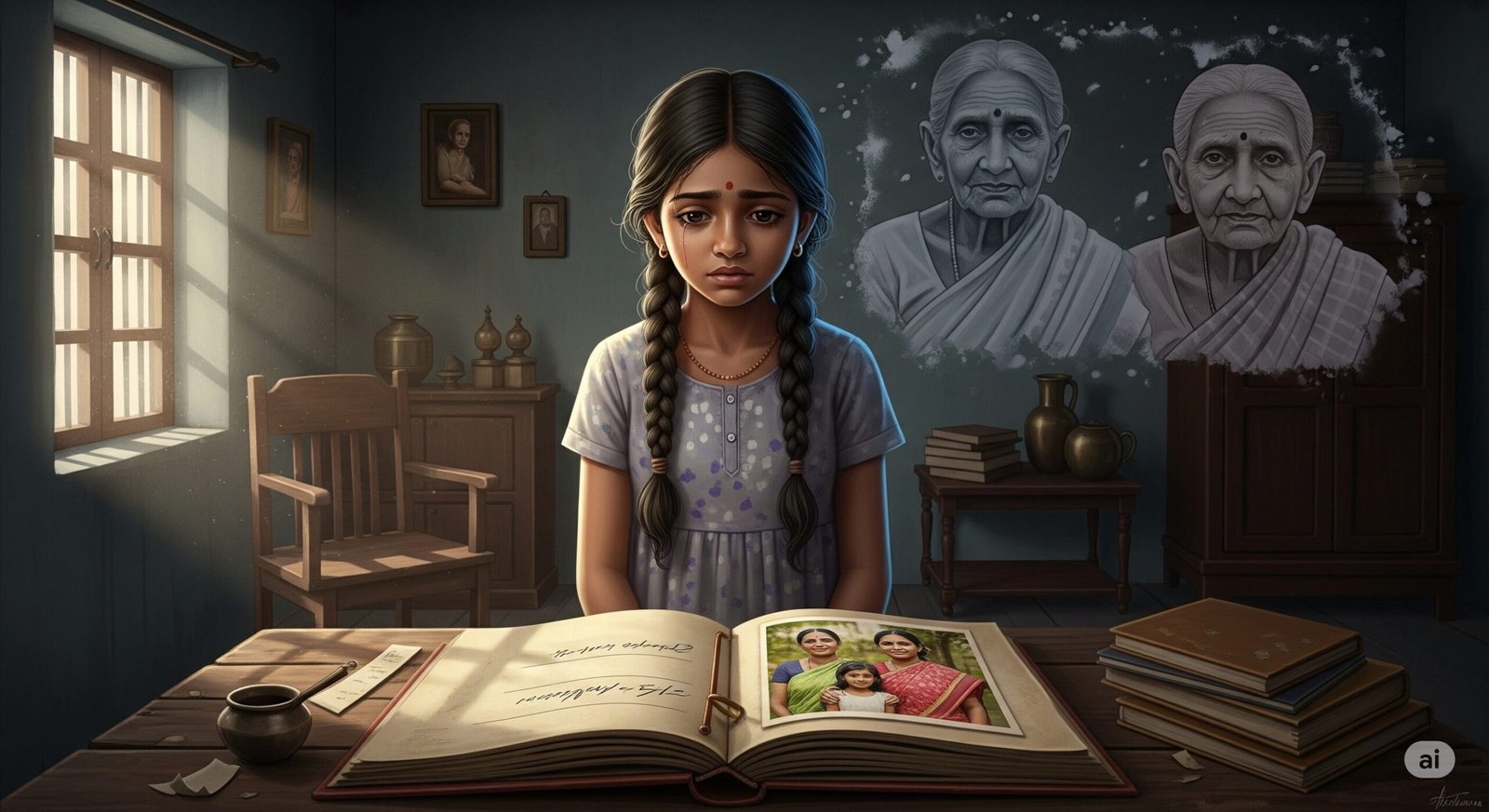
For a girl who has lost her mother, the maternal grandparents are often the last living link to her mother’s world. They are a bridge to her past, a source of stories, memories, and a sense of identity. The loss of maternal heritage is a profound secondary trauma that often follows a mother’s death. This occurs when the connection to these key figures is weakened or completely broken. This article explores the painful reality of fading grandparents, the breakdown of the emotional support system for women, and the difficult kinship care challenges that leave a motherless daughter feeling completely adrift.
The Broken Link to the Past
Loss of Maternal Heritage
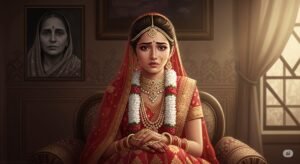
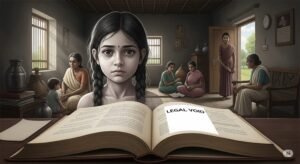
A mother’s death severs a girl’s connection to her maternal relatives, erasing her link to her family’s history and identity.
Fading Grandparents
Age, poverty, or family dynamics often cause maternal grandparents to become distant, creating a second profound loss.
Kinship Care Challenges
While kinship care is often the best option, a lack of resources and support can make it difficult for relatives to provide adequate care.
Fading Grandparents: The Second Abandonment
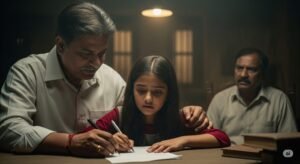
After a mother’s death, her parents are often the most natural choice to care for the orphaned child. However, the tragic reality is that these fading grandparents may be struggling with their own immense grief, old age, or poverty. They may lack the physical or financial ability to take on the responsibility of raising their grandchild. In some cases, the paternal family may actively discourage this connection to avoid any future claims on property or to more easily control the narrative around the mother’s death. The result is a second, profound abandonment. The girl loses not just her mother, but also the one remaining link to her maternal history and identity. The loss of maternal heritage is a deep and painful wound that leaves her feeling rootless and disconnected.
My grandmother was the last person who remembered my mother.
The Weakened Emotional Support System for Women
In the Indian social fabric, a woman’s maternal family, her maayka, serves as her lifelong emotional support system for women. It is her safe haven, a place where she can return for comfort and advice. When a mother dies, her daughter’s connection to this vital support system is put at risk. The paternal family, now in full control, may see the maternal relatives as a threat and actively block contact. This leaves the daughter completely isolated. In cases of conflict or abuse within her own or her marital home, she has no one to turn to. A mother’s sister (maasi) would traditionally step in to offer guidance, but she too may be pushed away. This breakdown of her support system is a significant loss, leaving her to navigate life’s challenges alone.
89% Live with Surviving Parent
While 89% of children in single-parent households live with the surviving parent, this doesn’t guarantee a connection to maternal relatives, highlighting the profound loss of the maayka and its support system.
The Kinship Care Challenges of a Motherless Girl
While kinship care is often considered the best alternative to institutionalization, it comes with a unique set of kinship care challenges. Research shows that children cared for by close biological relatives, like maternal grandparents, tend to have better outcomes. However, even when maternal relatives are willing to help, they may lack the financial resources to provide adequate care. Furthermore, a girl placed in kinship care can become a “social orphan,” a child who is living with family but is invisible to the formal support systems. Child protection services are less likely to intervene in a family setting, even if neglect or abuse is occurring. The girl is trapped in a grey area, without the formal protection of the state or the emotional support of a stable family unit.
The maternal grandmother is often the most important source of support for a motherless daughter.
Rebuilding the Bridge to Her Past
To address the loss of maternal heritage, it is crucial to find ways to rebuild the bridge to a girl’s past. This includes creating community and legal frameworks that recognize the importance of maternal relatives in a child’s life. Mentorship programs that connect motherless girls with older women can provide a substitute for the lost guidance. Additionally, creating and preserving a “life book” for the girl, with photos and stories of her mother and her mother’s family, can help her maintain a connection to her heritage. By actively working to keep these connections alive, we can help a motherless daughter feel less alone and more secure in her identity.
Only 9%
of orphanages
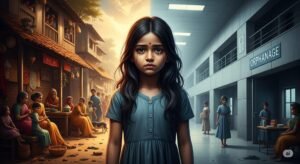
Only 9% of orphanages in India receive government support, which means the vast majority of kinship care arrangements, where the loss of the maayka is most deeply felt, have no formal oversight or support.
The loss of maternal heritage due to fading grandparents and disconnection from the maayka is a profound and often unrecognized trauma for a motherless daughter. It is a loss of history, identity, and a vital emotional support system. By recognizing the critical role that maternal relatives play and working to create alternative systems of care, we can help ensure that a motherless girl does not have to navigate the world feeling completely disconnected from her roots.