The Loss of the Maayka: A Motherless Daughter’s Isolation
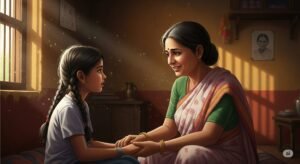
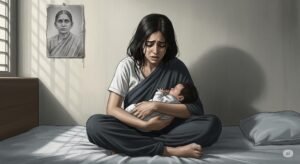
In Indian culture, a woman’s maternal home, her maayka, is more than just a physical place; it is her primary emotional support system for women. It is a sanctuary where she can find unconditional love, comfort, and a sense of belonging, especially after marriage. For a daughter, the death of her mother often triggers the devastating loss of the maayka. Her primary link to her maternal relatives is severed, leaving her emotionally adrift. This disconnection, often encouraged by the paternal family, is a profound secondary trauma, compounding her grief and increasing her vulnerability. This article explores the significance of the maayka, the crucial role of maternal relatives, and the heartbreaking reality of fading grandparents for a girl who has lost her mother.
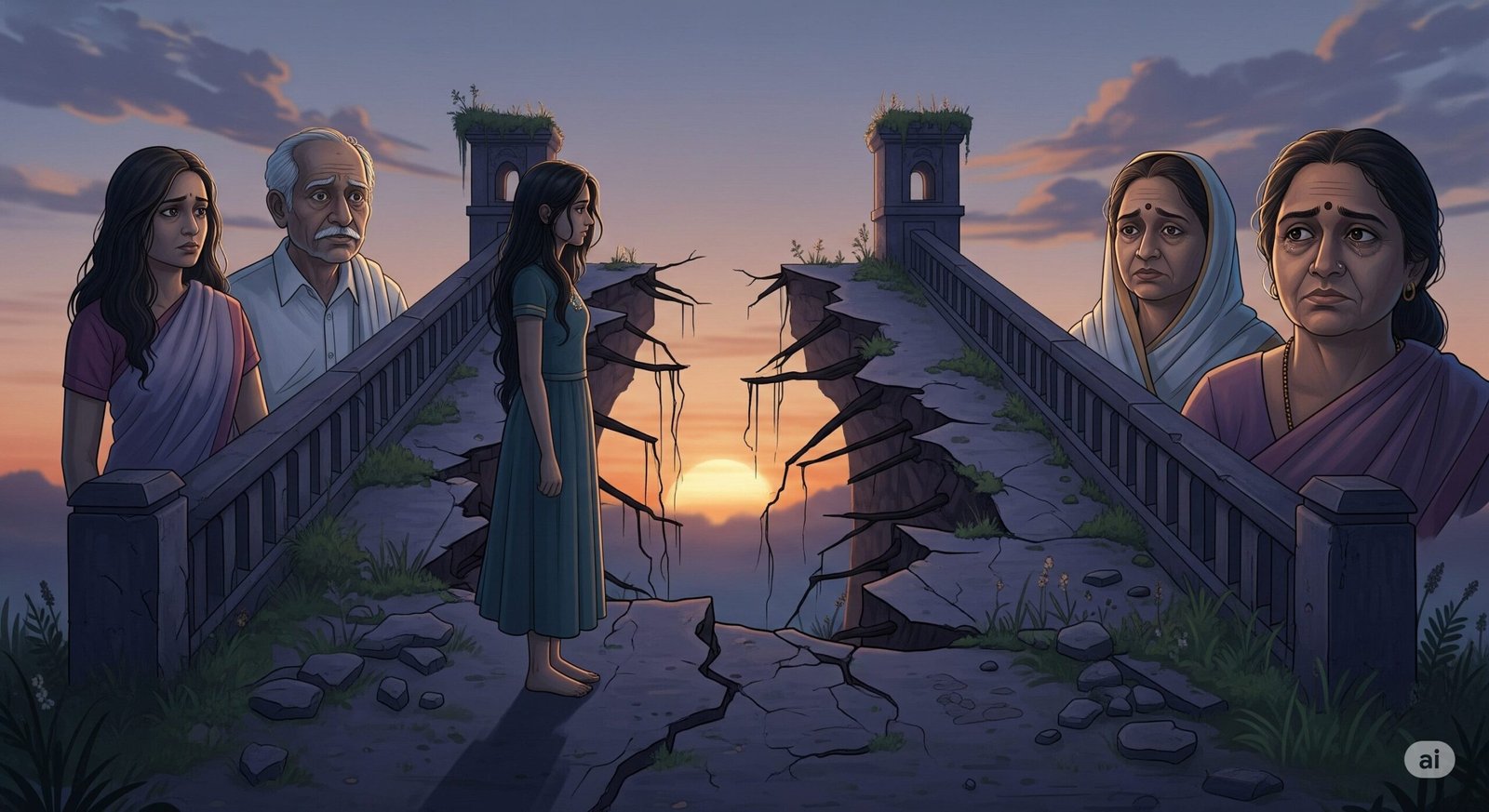
The Broken Bridge to the Maayka
Loss of the Maayka
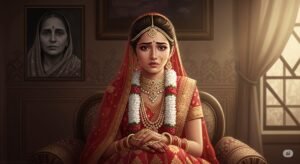
A mother’s death often severs a girl’s connection to her maternal home, her primary source of emotional support.
Fading Grandparents
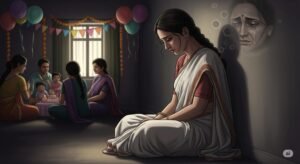
The maternal grandparents, key figures of support, often become distant, leaving the girl with another profound loss.
A Daughter Without Allies
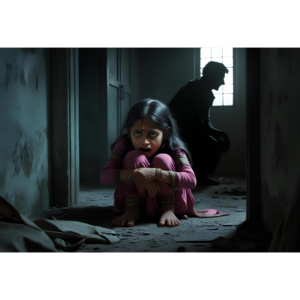
Without the maayka, a girl lacks advocates to defend her interests, mediate conflicts, and protect her from abuse.
The Fading Grandparents and the Loss of a Lifeline
Maternal grandparents often play a crucial role in a child’s life, providing a source of love and stability. After their own daughter’s death, they are often the most natural caregivers for the orphaned child. However, the tragic reality is that these fading grandparents may be too old, too poor, or too emotionally devastated themselves to take on this responsibility. A father may also remarry quickly and sever ties with his deceased wife’s family to avoid any interference or claims on property. This leaves the girl doubly orphaned, losing not just her mother but also her primary connection to her maternal heritage. The loss of the maayka is a profound dislocation that leaves her feeling rootless and alone.
My grandmother’s house was my only refuge, but after she died, that door closed too.
The Crucial Role of Maternal Relatives (Maasi)
The role of maternal relatives, especially the mother’s sister (maasi), is deeply significant in Indian culture. She is often seen as a second mother, a natural source of comfort and guidance. However, the ability of a maternal aunt to step into this role is often limited by practical and social barriers. She may have her own family and financial responsibilities, or the paternal family may actively block her from forming a close relationship with her niece. When this relationship is broken, the motherless daughter loses her most important female ally, leaving her to navigate the challenges of life, from menarche to marriage, without the empathetic support of a woman from her own bloodline.
Kinship Care Challenges
While 89% of children in single-parent households live with their surviving parent, this often doesn’t guarantee a connection to maternal relatives, highlighting the profound loss of the maayka.
A Daughter Without a Voice: The Consequences of Disconnection
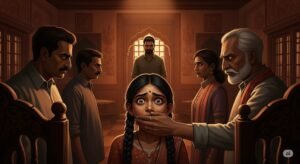
The disconnection from maternal relatives has severe consequences. Without her mother or other female relatives to act as her advocates, the motherless daughter has no one to speak up for her rights, whether it’s her right to education, her right to inherit property, or her right to choose her own husband. This lack of advocacy is a form of family betrayal that leaves her vulnerable to exploitation. She is often silenced, her needs and desires ignored. The loss of her maternal support system means she loses her voice in the decisions that shape her future. This is a critical aspect of the emotional support system for women that is often taken for granted until it is gone.
She is adrift and alone.
Rebuilding the Bridge: The Need for Alternative Support
To counter the devastating impact of the loss of the maayka, it is essential to create alternative support systems. Mentorship programs that connect motherless girls with older, trusted women can provide the guidance and advocacy they are missing. Community-based initiatives that promote the importance of maintaining connections with maternal relatives can help rebuild these broken bridges. Legal aid services can also play a crucial role in protecting a girl’s inheritance rights and ensuring her voice is heard. By recognizing that the loss of a mother is also the loss of an entire support system, we can create interventions that address this profound and often invisible wound.
Only 9%
of orphanages
Only 9% of orphanages in India receive government support, leaving the vast majority of kinship care arrangements, where the loss of the maayka is most acutely felt, without any formal oversight or support.
The loss of the maayka is a profound and often unrecognized trauma for a motherless daughter. It is a loss of love, support, identity, and protection. By understanding the critical role that maternal relatives play in a girl’s life and working to create alternative systems of care, we can help ensure that no daughter has to navigate the world completely alone.