The Mark of the Orphan: How Society Views Motherless Girls
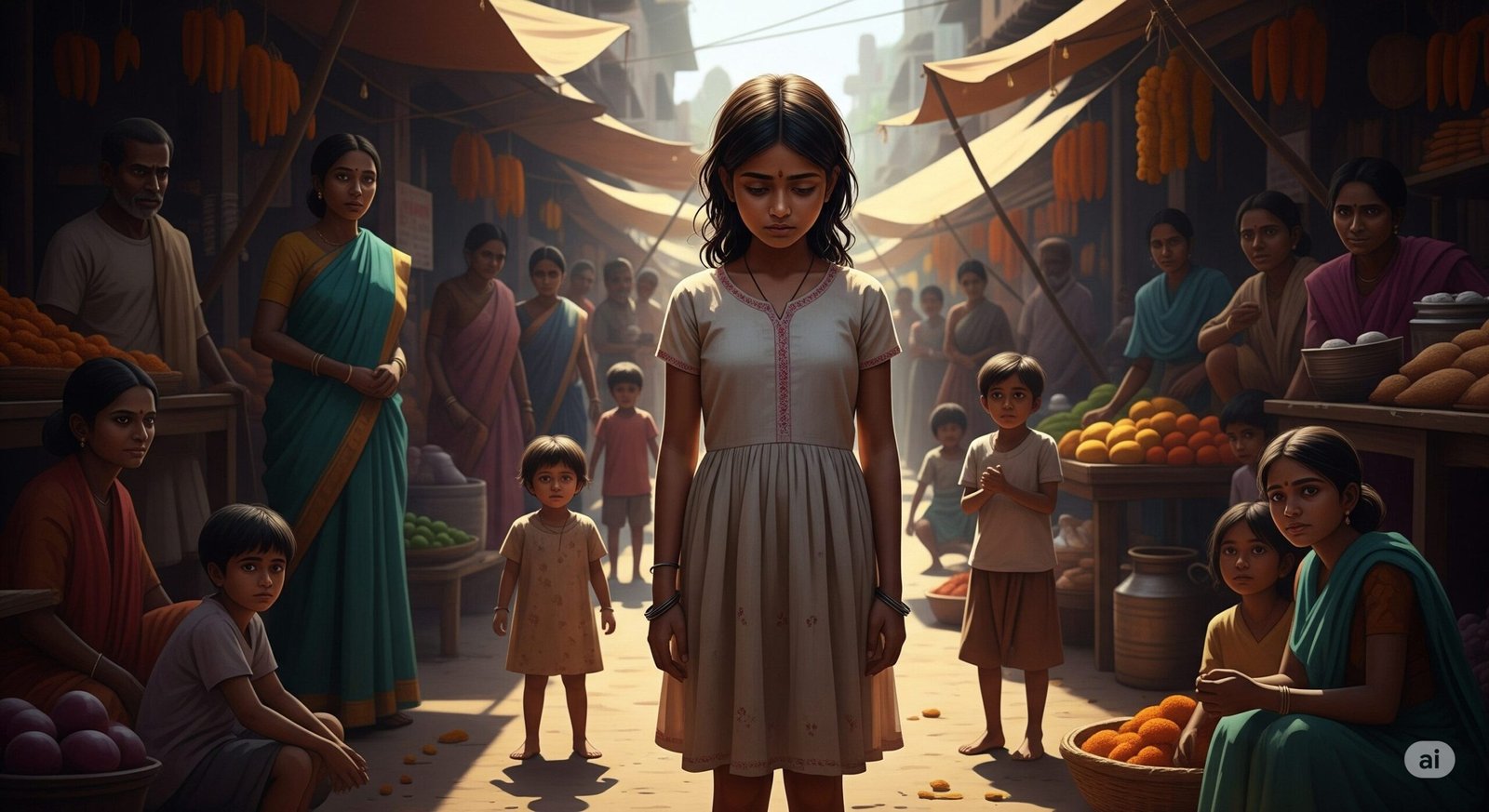
In a society like India, which is deeply rooted in family and community, the loss of a mother places a permanent and often negative label on a girl. She carries the mark of the orphan. She is no longer just a child; she becomes “the motherless girl,” an identity that comes with many societal prejudices. This label is not neutral; it suggests misfortune, weakness, and incompleteness. This article explores how this social branding affects a girl’s life, leading to the social stigma against girls and increasing the vulnerability of motherless daughters.
The Invisible Social Scar
The “Motherless” Label
A girl is no longer seen as just a child, but as an “orphan,” a label that carries heavy social stigma and prejudice.
Social Avoidance
Neighbors and even family may withdraw out of discomfort, leaving the girl feeling isolated and like an outcast in her own community.
Increased Vulnerability
The perception of her as “unprotected” makes her an easy target for exploitation, neglect, and abuse.
The Mark of the Orphan: A Label of Misfortune
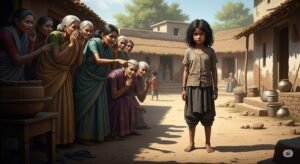
In many Indian communities, a child without a mother is seen as an object of pity or, worse, as unlucky or a burden. This view is rooted in the cultural belief that a mother is the main guardian of a child’s well-being and moral character. Her absence is seen as a major flaw, suggesting the child is unprotected and may not have a proper upbringing. This social branding has real consequences. The motherless girl is often treated with a mix of pity and avoidance. Neighbors and extended family may keep their distance because they are uncomfortable and don’t know what to say. This social isolation adds to her personal grief, making her feel like an outcast.
They saw me as different.
Societal Prejudices and Their Impact on a Girl’s Future
The societal prejudices against a motherless girl can affect her entire life, especially her chances of marriage. In a culture where a woman’s identity is often defined by her role as a wife and mother, a girl without a mother is seen as missing a key part of her social identity. She is seen as lacking the person who would guide her into these roles. Families may be hesitant to accept a motherless girl as a daughter-in-law. They may fear she does not have the proper training in domestic duties or that she carries the “bad luck” of her family’s tragedy. Personal stories from motherless daughters talk about being laughed at, ignored, and taken advantage of because of their vulnerability.
31 Million Orphans
According to UNICEF, India is home to 31 million orphaned children, yet society’s response often involves stigmatization rather than support, placing the “mark of the orphan” on them.
The Vulnerability of Motherless Daughters to Exploitation
The perception of a motherless girl as “unprotected” greatly increases the vulnerability of motherless daughters. It makes her an easy target for exploitation and abuse. Without a mother to watch over her, she is at a higher risk of being taken advantage of, both inside and outside the family. This could mean being forced into domestic labor, becoming an unpaid servant in her own home, or facing physical and emotional abuse from relatives. The danger is even greater outside the home, where she may be targeted by predators who see her as lonely and without protection. The tragic reality is that the absence of a mother is seen by some as an invitation to exploit, turning a girl’s loss into an opportunity for abuse.
She is no longer just a child; she becomes ‘the motherless girl,’ an identity that carries with it a host of societal prejudices.
Challenging the Social Stigma Against Girls
To change how society views a motherless girl, we must challenge the harmful social stigma against girls and the deep-seated prejudices that create the mark of the orphan. This requires a shift in cultural thinking, led by public awareness campaigns and community education. We need to move from a place of pity and avoidance to one of compassion and active support. It is essential to teach communities that a motherless girl is not a source of bad luck or a burden, but a vulnerable child who needs the protection of the entire community. By fostering a sense of collective responsibility, we can create an environment where a girl’s worth is not defined by her loss, but by her own potential.
9 in 10
Abandoned Children
Of the 11 million abandoned children in India, a staggering nine out of ten are girls, a reflection of the deep-seated cultural devaluing that puts them at the highest risk.
The mark of the orphan is a heavy social burden that follows a motherless girl throughout her life, shaping how she is seen and treated by the world. It is a scar inflicted by society, a constant reminder of her loss and vulnerability. By actively working to erase this stigma and replace it with compassion and support, we can help ensure that every motherless daughter is seen not as an incomplete orphan, but as a whole and deserving child.