Journey into Motherhood Alone: The Motherless Mother’s Story
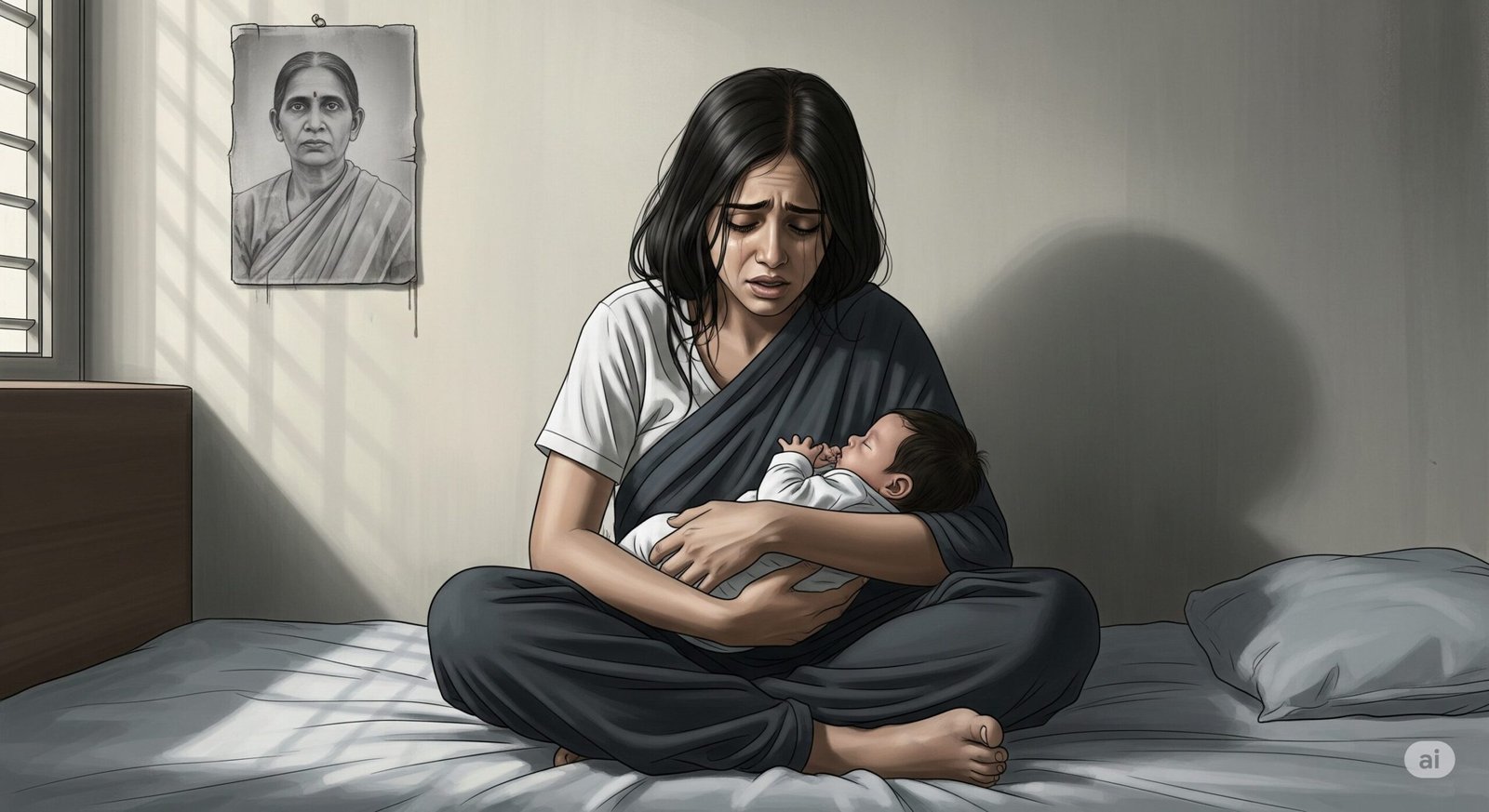
Pregnancy and childbirth are transformative experiences that, for many women in India, are navigated with the essential support of their own mothers. For a woman who grew up without a mother, the journey into motherhood alone is a profound challenge. She faces the physical and emotional demands of pregnancy, labor, and the postpartum period without the one person she needs most. This is not just an emotional void; the lack of experienced guidance and postpartum support has real consequences for her health and the well-being of her child, often creating an intergenerational cycle of poor health.
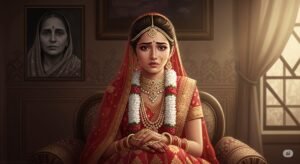
A Mother Without a Mother
No Template for Mothering
A motherless mother lacks a personal template for parenting, leading to feelings of inadequacy and anxiety.
Lack of Postpartum Support
She faces the overwhelming postpartum period without her mother’s help for breastfeeding, comfort, and emotional reassurance.
Intergenerational Health Risks
The lack of guidance and support increases health risks for both the mother and her child, continuing a cycle of poor health.
The Unique Struggles of Motherless Mothers
The experience of motherless mothers is especially difficult. Testimonials from new mothers show a universal need for their own mothers after giving birth—for help with breastfeeding, for comfort during sleepless nights, and for reassurance during the emotional ups and downs. A motherless woman enters this phase in a vacuum. She has “no template for mothering drawn from her own experience of being mothered.” She lacks a trusted, empathetic guide to ask for advice without the judgment of in-laws or the clinical detachment of doctors. This isolation is most severe during the postpartum period, a phase often neglected in maternal care. The new mother struggles with physical recovery and the risk of postpartum depression, often while being expected to immediately resume household duties.
I didn’t know what to expect.
The Critical Need for Postpartum Support
In India, social support systems, both formal and informal, are critical for a mother’s health. Community health workers (ASHAs) and family members, especially mothers and mothers-in-law, are key sources of information. However, the advice from a mother-in-law can be complicated by power dynamics, and a husband’s support may lack the specific understanding of a woman who has gone through childbirth. The lack of maternal postpartum support means a motherless woman may have no one to help her understand her body’s changes, advocate for her at the clinic, or ensure she gets enough nutrition and rest. This can lead to high levels of stress and anxiety, which can, in turn, affect the infant’s development and the security of their bond.
7% of Female Deaths
In India, 7% of all female deaths are related to pregnancy and childbirth, highlighting the severe risks that motherless mothers, often lacking proper health knowledge, may face.
A Broken Chain: The Intergenerational Cycle of Poor Health
When a motherless woman becomes a mother, it can trigger an intergenerational cycle of poor health. A mother passes on not just cultural traditions but also essential life skills and health knowledge. A motherless woman often lacks this foundation. She may not recognize danger signs during pregnancy or in her newborn, leading to delays in seeking care that can have fatal consequences. The story of child brides who lost their first babies and whose later children were born unhealthy is a stark example of how the health risks of early pregnancy are made worse when maternal guidance is missing. The physical burden of being motherless is not a personal problem but a societal one, a cycle of poor health passed from one generation to the next, fueled by the original wound of a mother’s loss.
The new mother grapples with physical recovery, breastfeeding challenges, and the risk of postpartum depression.
Providing the Missing Anchor of Support
To support women on their journey into motherhood alone, we need to create systems that provide the missing anchor of maternal support. This means expanding the role of community health workers to offer not just medical advice but also emotional support and practical guidance. It means creating peer support groups for new mothers, especially those who are motherless, where they can share experiences and learn from one another. By recognizing the unique challenges faced by motherless mothers, we can provide the resources they need to navigate this critical life stage with confidence and ensure the health and well-being of both themselves and their children.
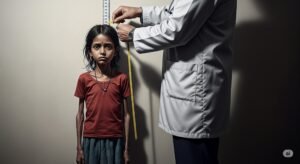
50%
of Growth Failure
UNICEF research suggests that nearly 50% of growth failure in children by age two can be linked to poor maternal nutrition and health during the mother’s own life, highlighting the intergenerational cycle of poor health.
A motherless woman’s journey into motherhood is filled with unique and profound challenges. The absence of her own mother’s guidance and support creates a void that can have lasting consequences for her and her child. By building stronger community and healthcare support systems, we can help break the intergenerational cycle of poor health and empower every mother to provide the best possible start in life for her child.