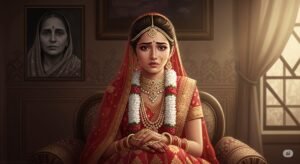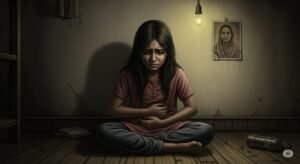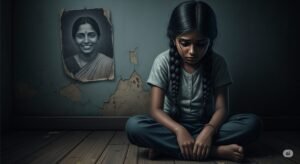
The Intergenerational Cycle of Poor Health & Motherless Girls
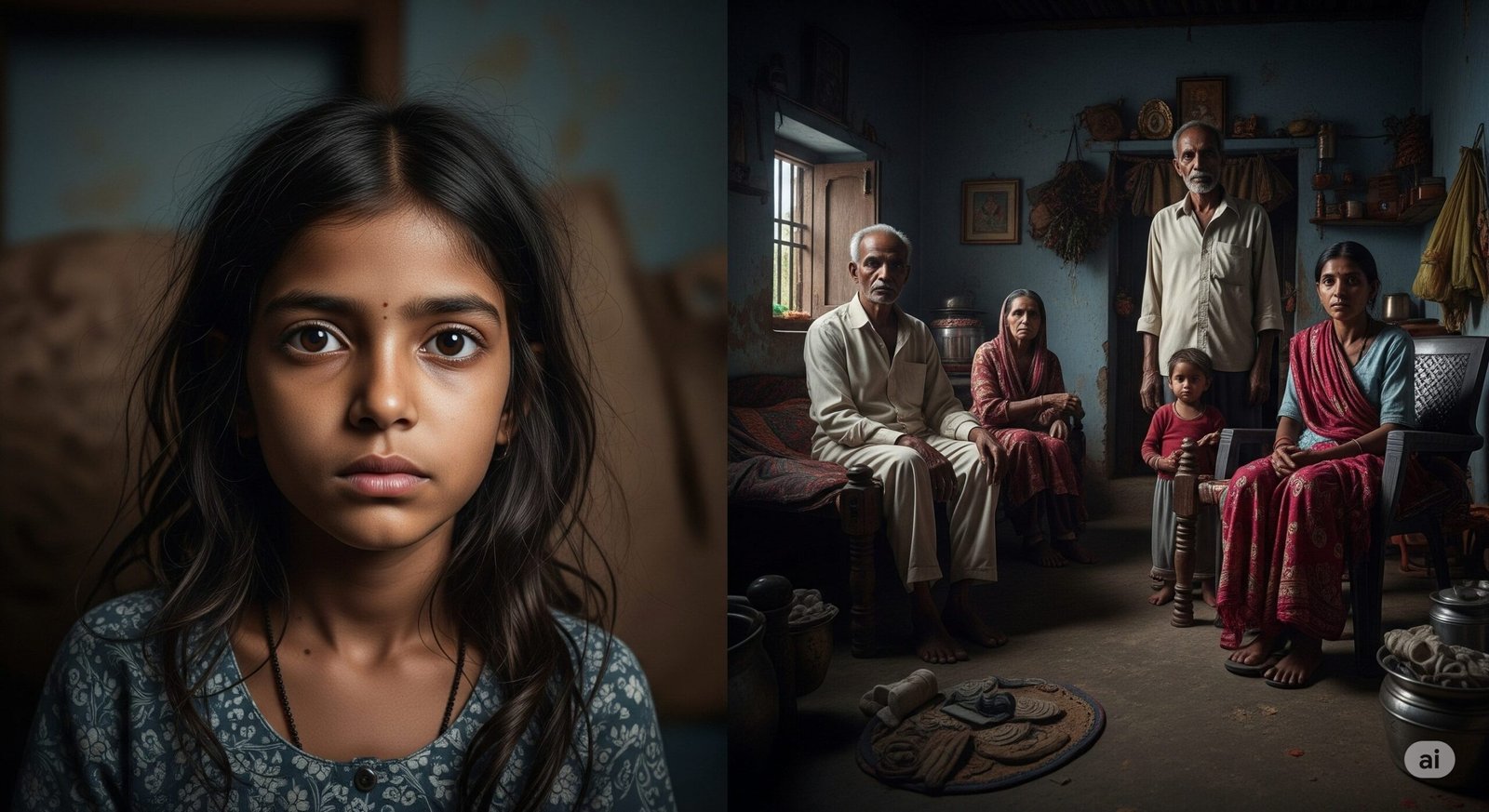
The physical consequences of losing a mother in India do not end with one person; they create a tragic intergenerational cycle of poor health. A girl who grows up with stunted growth from malnutrition, a weak immune system from constant stress, and poor reproductive health knowledge due to the loss of her mother is set on a path to poor health outcomes in her own adulthood. This crisis is made worse by the constant threat to the physical safety of motherless girls, who are far more vulnerable to abuse and exploitation. This article explores the devastating maternal mortality impact on future generations and the very real danger of child trafficking in India for these unprotected girls.
A Cycle of Disadvantage
Intergenerational Health
A motherless girl’s poor health and lack of knowledge are often passed down, creating a cycle of poor health for her own children.
Physical Safety at Risk
Without a mother’s protection, girls are extremely vulnerable to physical and sexual abuse, both inside and outside the home.
Vulnerability to Trafficking
Orphaned and unprotected girls are prime targets for trafficking into forced labor or prostitution, a horrific reality in India.
Passing Down Poor Health: A Generational Crisis
The intergenerational cycle of poor health is a stark reality. UNICEF research clearly shows that nearly 50% of growth failure in children by the age of two can be linked to the poor nutrition and health of their mother during her own life. When a motherless girl, who likely suffered from malnutrition herself, becomes pregnant, she is at a much higher risk of giving birth to an undernourished, low-birth-weight child. That child then begins life at a disadvantage, with a higher risk of stunting and developmental delays, thus continuing the cycle. The lack of learned health knowledge makes this worse. A mother is the main health teacher in the family. A motherless woman often lacks this basic knowledge for herself and her children, and may not recognize danger signs during pregnancy or in her newborn. This shows the profound maternal mortality impact, as one death can lead to health crises for generations.
Nearly 50% of growth failure in children by the age of two can be traced back to poor maternal nutrition and health during the mother’s own life.
A Life Without a Shield: The Physical Safety of Motherless Girls
The physical safety of motherless girls is severely at risk. A mother is not just a caregiver but a protector of her daughter’s safety. Her presence is a strong defense against harm. Without this shield, the girl becomes what one woman described as an “unprotected child,” very vulnerable to exploitation and abuse. This can happen inside the family, where she may face physical or emotional abuse from a frustrated father or a resentful step-mother. She has no one to defend her. The danger is even greater outside the home. The social stigma of being motherless can make her a target for predators who see her as lonely and without protection. The tragic reality is that the absence of a mother is seen by some not with compassion, but as an opportunity for abuse.
3,000 Girls Rescued
Organizations like Homes of Hope have rescued thousands of girls, highlighting the severe issue of child trafficking in India, a risk that is much higher for unprotected, motherless girls.
The Horrific Reality of Child Trafficking in India
For the most vulnerable motherless girls, the lack of physical safety can lead to the most horrific outcome: child trafficking in India. Orphaned and unprotected girls, especially those from poor or tribal communities, are prime targets for traffickers. They are promised a better life or a job in the city, only to be forced into labor or prostitution. NGOs like Homes of Hope and TERDS work to rescue and protect these girls, but the scale of the problem is huge. The loss of a mother removes the primary barrier that stands between a girl and those who would exploit her, making her dangerously easy prey.
I felt unsafe without her.
Breaking the Cycle of Poor Health and Danger
To break this intergenerational cycle of poor health and protect these girls, we need a multi-faceted approach. We need stronger community and state-level protection systems that identify at-risk girls after a mother’s death. This includes regular health check-ups and nutritional support to combat the physical decline. It also means strengthening anti-trafficking efforts and providing safe shelter for those who have been abused. By understanding that a mother’s death is a major risk factor for a girl’s physical health and safety, we can create targeted interventions that provide the protection she has lost. The physical well-being of a motherless girl is a direct measure of a society’s compassion and its commitment to protecting its most vulnerable.
7%
of female deaths
In India, 7% of all female deaths are related to pregnancy and childbirth, highlighting the risks that a motherless mother, often without proper health knowledge, may face.
The loss of a mother is a wound that echoes through generations. It creates an intergenerational cycle of poor health and leaves a daughter dangerously unprotected. By addressing the critical issues of health care, nutrition, and physical safety, we can offer these girls a chance to not only survive their loss but to build healthy and safe futures for themselves and for their own children.