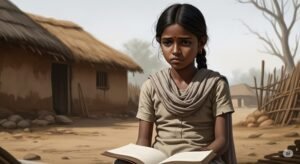
Long-Term Mental Health of Motherless Daughters & Resilience
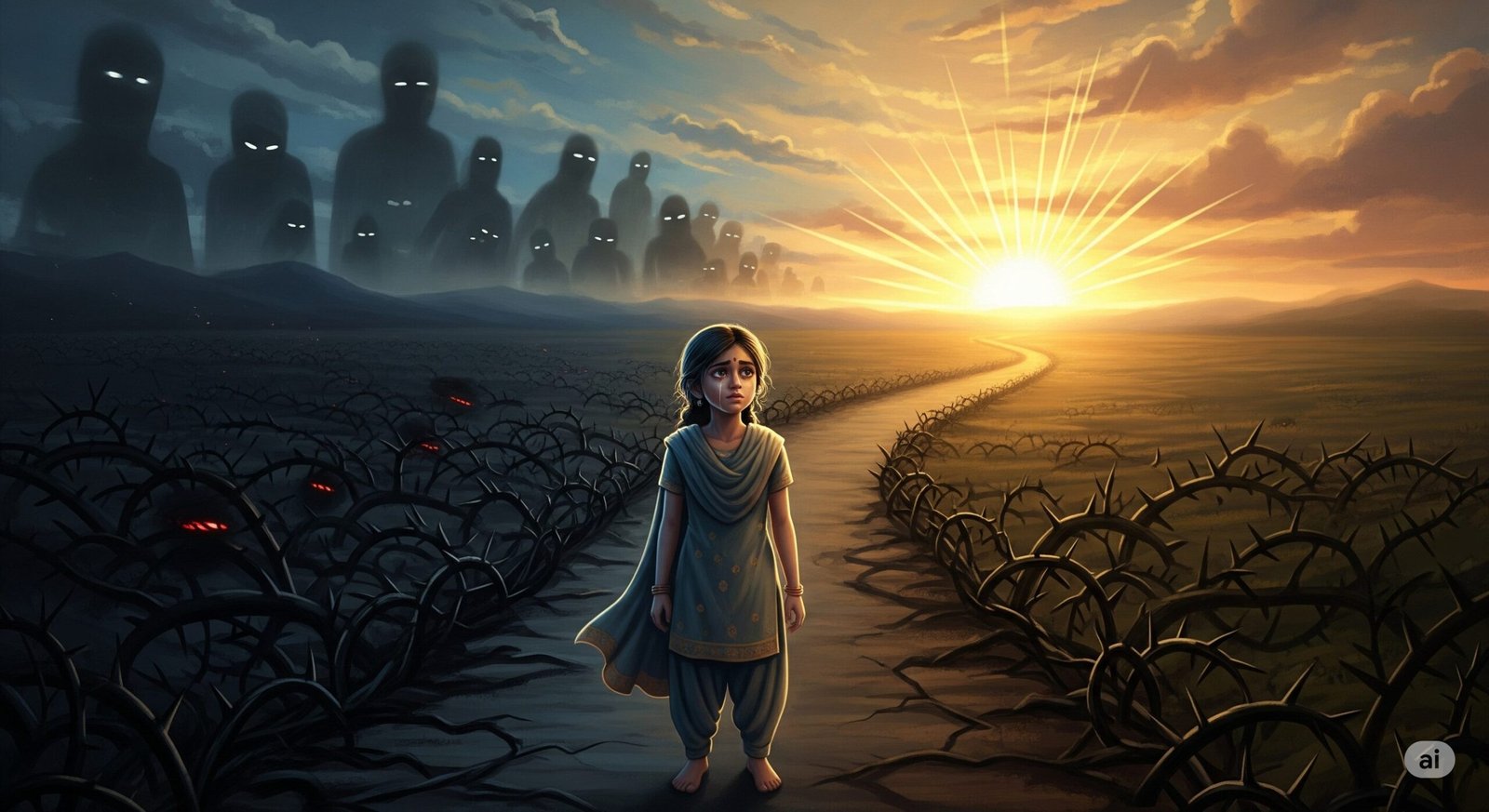
The long-term mental health of motherless daughters in India is not a simple issue. It is a complex experience, deeply affected by the intersectionality of trauma, where the initial loss is made worse by the social realities of caste and class. For a girl from a Dalit or Adivasi community, the trauma of losing her mother is a much deeper wound, and the path to healing is almost nonexistent. This article explores how these overlapping layers of disadvantage shape a girl’s life while also highlighting the remarkable stories of building resilience in girls and the potential for post-traumatic growth.
A Complex Web of Trauma and Resilience
Intersectionality of Trauma
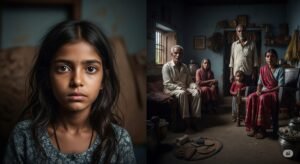
The loss of a mother is made worse by the overlapping burdens of gender, orphan status, and caste discrimination.
Post-Traumatic Growth
Despite immense suffering, many girls develop a heightened sense of responsibility and inner strength, a process known as post-traumatic growth.
Active Resilience
Resilience is not just about surviving; it’s an active force for change, as seen in the creation of support communities by motherless daughters.
The Intersectionality of Trauma: Gender, Caste, and Loss
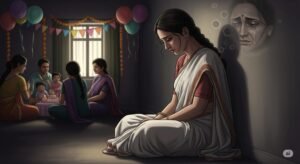
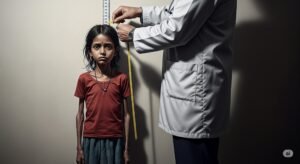
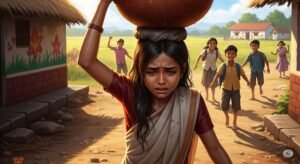
Understanding the long-term mental health of motherless daughters requires looking beyond the single event of her loss. Her experience is shaped by the intersectionality of trauma, where different forms of disadvantage overlap and make each other worse. For a girl from a marginalized community, such as Dalit or Adivasi, the loss of her mother is not just an emotional blow; it is a crisis that makes her even more vulnerable. These communities already face systemic discrimination and extreme poverty. When a girl loses her mother, she loses her main protector in a world that is already hostile. Her family has few resources to cope. The chances that she will be pulled from school to work, suffer from malnutrition, or be forced into an early marriage increase dramatically. Her psychological trauma is made invisible by these bigger problems. She carries the triple burden of her gender, her orphan status, and her caste, a weight that is almost impossible to bear.
The pain never fully leaves.
The Paradox of Resilience and Post-Traumatic Growth
Amidst this difficult reality, the stories of motherless girls also show incredible strength. While the challenges are huge, many develop a remarkable resilience forged in their suffering. This is not to make their pain seem romantic, but to recognize the human ability to adapt. Studies of children raised in single-parent households show a surprising truth: while they report significant emotional stress, many also show a heightened sense of responsibility. This forced maturity can lead to post-traumatic growth. Being deprived of a normal childhood forces a girl to become self-reliant. While this takes away her youth, it can give her a deep inner strength and empathy. Personal stories confirm this. One woman, after a traumatic childhood, credited her motherless upbringing for making her “strong, intelligent and empathetic,” which ultimately led to great success. This journey of building resilience in girls shows that even from the deepest wounds, strength can emerge.
2x Higher Suicide Risk
The long-term mental health risks for those who lose a parent early are severe, including a 2 times higher risk of suicide attempts, highlighting the profound and lasting impact of this trauma.
Resilience as an Active Force for Change
Resilience is not just about surviving; it is an active force for change. The creation of India’s first online community for motherless daughters on Reddit is a powerful example of this. Born from one woman’s determination to build a “safe, contextual and free of cost” space for others, this community shows how shared experience can be turned into a tool for collective healing. In this space, women find a voice they never had. They share stories, offer support, and create a network of understanding that helps combat the isolation they have felt for so long. This is a clear demonstration that when girls are given the space to heal, they can become powerful advocates for themselves and for others.
Girls showed higher emotional resilience scores than boys, and close relationships with friends and caregivers foster resilience.
The Path Forward: Fostering Resilience
To support the long-term mental health of motherless daughters, we must create an environment where their resilience can grow. This means providing more than just basic needs; it requires a focus on emotional and psychological support. Mentorship programs that connect girls with successful women can provide the role models they have lost. Access to trauma-informed therapy can help them process their grief in a healthy way. By investing in their education, their skills, and their sense of self-worth, we can help them turn their trauma into a source of strength. It is about helping them build a life of dignity and purpose, on their own terms.
Higher
Emotional Resilience
Studies show that while facing immense stress, girls in single-parent households often develop higher emotional resilience and a greater sense of responsibility compared to their peers.
The journey of a motherless daughter in India is one of profound challenges, shaped by the overlapping forces of trauma, gender, and caste. Yet, it is also a story of incredible human resilience. By understanding the complexity of their struggle and providing the right kind of support, we can help these girls not only survive their loss but also find a path to healing and empowerment, breaking the cycle of trauma for generations to come.