
The Lifelong Impact of the Loss of Maternal Guidance
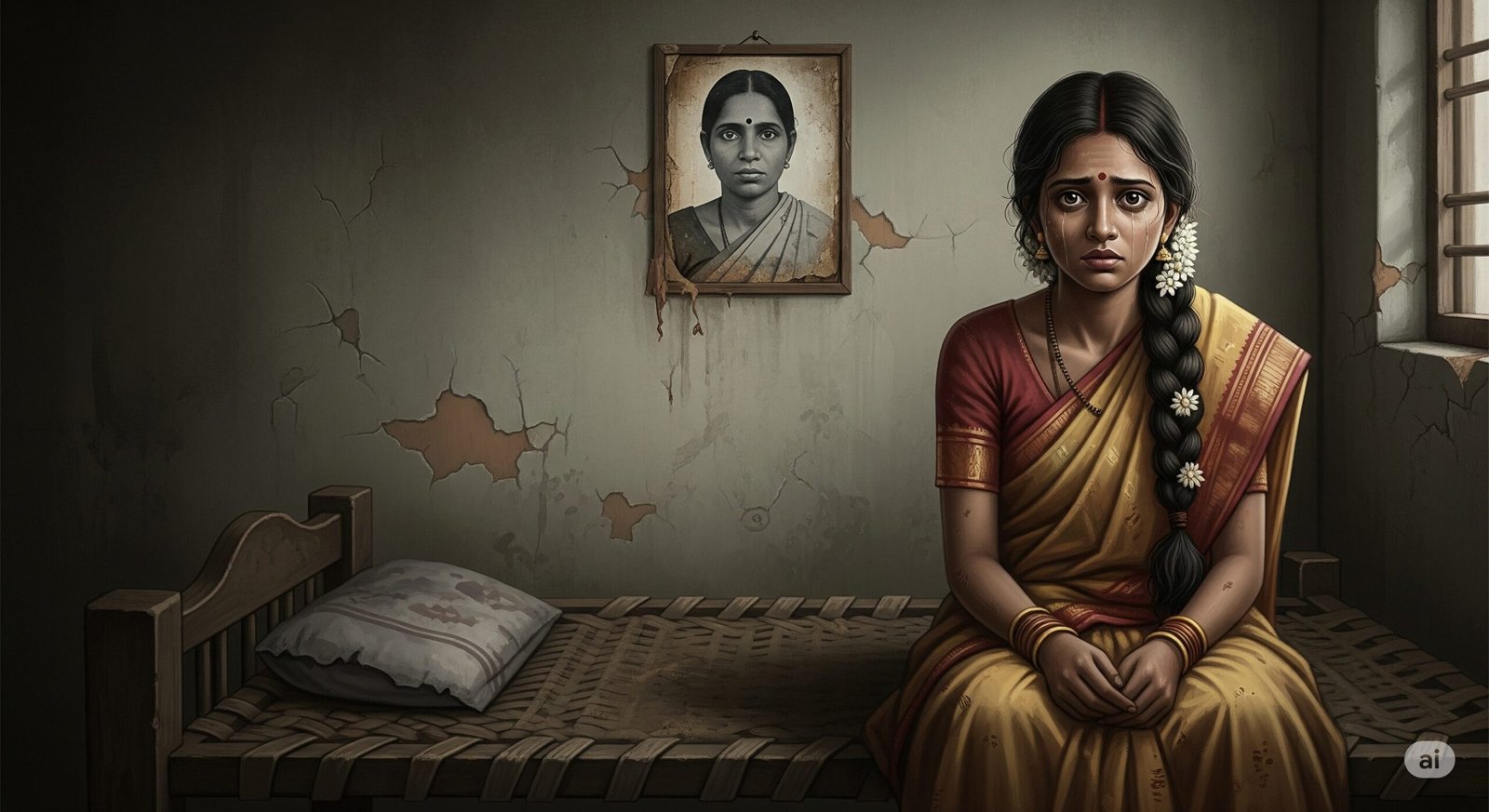
The loss of maternal guidance creates a lifelong void for a daughter in India. In Indian culture, a mother is her daughter’s first teacher and guide for becoming a woman. She is the “fountain head of tradition, culture and values.” When a mother dies, this vital connection is broken, and the daughter must face every major life stage alone. This article explores the deep impact of this loss, from the confusing start of menstruation to the challenges of marriage and becoming a mother herself. It also looks at the difficult path of coping and resilience that these girls must walk.
A Journey Without a Map
Lost Life Milestones
A girl faces menarche, marriage, and pregnancy without the one person who could offer experienced and empathetic support.
Menstrual Health Void
The lack of maternal guidance leads to a vacuum of information on menstrual health, increasing health risks and anxiety.
Forged Resilience
Despite the immense challenges, many girls develop remarkable self-reliance and strength through post-traumatic growth.
Menarche and the Lack of Menstrual Health Education
For a young girl, the start of her period is a major life event. Without a mother, this moment often arrives in silence and fear. The lack of proper menstrual health education has serious effects. Studies show that 40% of teenage girls in India miss school during their periods because they lack privacy and proper guidance. For a motherless girl, this information gap is almost complete. She has to figure out this change alone, often thinking she is sick or hurt. The loss of maternal guidance at this key time turns a natural process into a painful event, making her feel alone and ashamed.
I had no template for mothering drawn from my own experience of being mothered.
The Unique Challenges of Motherless Mothers
The experience of motherless mothers is especially difficult. Stories from new mothers show that they all need their own mothers after giving birth. They need help with breastfeeding, comfort during sleepless nights, and support during emotional ups and downs. A motherless woman faces this time alone. She has no example of mothering from her own childhood to follow. She has no trusted person to ask for advice without being judged by her in-laws. This can make it hard for her to be a parent. It can cause feelings of not being good enough and make it difficult to form a strong bond with her own children. In this way, the trauma of being motherless can be passed down to the next generation.
40% Absenteeism
Research shows that 40% of adolescent girls in India miss school during menstruation, a problem made worse by the loss of maternal guidance on menstrual health.
The Path of Coping and Resilience Amidst Loss
Despite the huge challenges that come with the loss of maternal guidance, many girls become incredibly strong. While some may cope in unhealthy ways, like blaming themselves, many show a great sense of responsibility and strength. This forced maturity can lead to “post-traumatic growth.” Not having a normal childhood forces a girl to become self-reliant. While this takes away her youth, it can give her deep inner strength and empathy. Personal stories confirm this. One woman said that growing up without a mother made her “strong, intelligent and empathetic,” which led to great success. This journey of coping and resilience is proof of the human ability to adapt. This strength often becomes a force for change, as shown by the creation of India’s first online community for motherless daughters.
CBT(Cognitive Behavioral Therapy) helped me navigate the pain of loss.
Navigating Life After the Loss of Maternal Guidance
The absence of a mother’s guidance affects families for generations. A mother passes on not just cultural knowledge but also important life skills and emotional strength. A motherless daughter does not have this foundation and must learn how to be a mother from nothing. With very few mental health services in India—only 0.07 psychologists for every 100,000 people—many girls rely on family who focus on practical needs instead of emotional healing. The loss of maternal guidance is therefore a constant, unfolding absence felt at every stage of life. To help these girls, it is vital to advocate for more mental health services and community programs that build resilience so they can live with dignity and purpose.
Only 9%
of orphanages
Only 9% of orphanages in India receive government support, highlighting the critical need for community-based programs to foster coping and resilience among vulnerable girls.
The loss of a mother leaves a void that cannot be filled, but the loss of maternal guidance is a lifelong challenge that society can help with. By providing access to menstrual health education, creating support networks for motherless mothers, and promoting community programs that build strength, we can give these girls the guidance they need. It is our shared duty to make sure that no daughter has to walk the path to womanhood completely alone.